Across Latin America, a silent revolution is underway. It is not being fought in the halls of congress or on the streets of its capitals, but rather in the quarries and mines that dot the continent’s diverse geography. As nations from Mexico to Chile strive to modernize their infrastructure, bridge economic gaps, and provide better living conditions for their burgeoning urban populations, one industry stands as the unsung hero: the aggregate industry. The transformation from rural landscapes to interconnected urban centers is literally built on a foundation of sand, gravel, and crushed stone. This article explores the critical, yet often overlooked, role of aggregate production—and the machinery that drives it—in shaping the future of Latin America. From the high-altitude mines of the Andes to the bustling construction sites of São Paulo, the journey of modernization begins with the crushing of rock.
The Backbone of Infrastructure: Where It All Begins
Before a single skyscraper can rise or a kilometer of road can be paved, a vast quantity of raw material must be processed. This is where the aggregate industry asserts its fundamental importance. The region’s ambitious infrastructure projects—new airports in Peru, expansion of the Panama Canal, high-speed rail networks in Brazil, and housing developments across Colombia—demand millions of tons of high-quality aggregate. This demand has spurred significant investment in modern processing equipment, placing the aggregate crusher plant(planta trituradora de agregados) at the very heart of the modernization supply chain.
The Mobile Advantage in Rugged Terrain
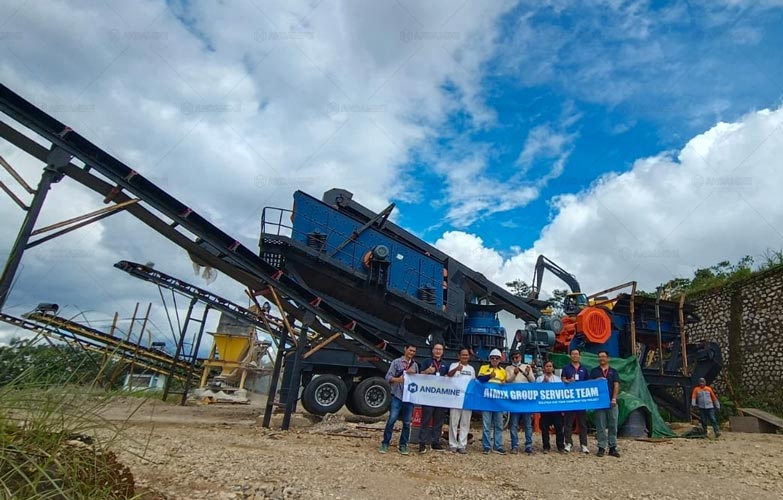
Latin America’s geography presents unique challenges. Mountainous terrain and remote deposit locations make traditional, fixed installations logistically difficult and expensive. This has accelerated the adoption of mobile and modular solutions. A mobile aggregate crusher plant can be deployed directly at the extraction site, drastically reducing the need for hauling raw, un-crushed material over long distances. This not only cuts operational costs but also minimizes the environmental footprint—a key consideration in ecologically sensitive areas like the Amazon foothills or the Andean highlands. By processing material on-site, these plants ensure a steady, cost-effective supply of raw material to feed the region’s construction boom.
Feeding the Urban Growth: From Rock to Roads
The explosive growth of cities like Bogotá, Lima, and Santiago requires an immense volume of construction materials. This is where the stone crusher plant(planta chancadora) becomes a vital organ of the urban metabolism. These facilities, whether fixed near urban centers or mobile units operating in peripheral quarries, are responsible for transforming massive boulders into the precise sizes required for concrete aggregates, asphalt production, and road base.
The Workhorse of the Quarry: The Rock Crusher
At the core of every operation is the rock crusher. These powerful machines, ranging from jaw crushers for primary reduction to cone crushers for secondary and tertiary shaping, are the workhorses that make modernization tangible. For Latin American contractors, the reliability and efficiency of the rock crusher directly translate to project timelines and budgets. A crusher that fails in a remote location can halt an entire highway project, underscoring the need for durable, well-maintained equipment. The region’s varied rock types—from hard volcanic basalt to softer limestone—demand versatile crushing solutions capable of producing consistent, high-quality material that meets stringent international specifications for modern infrastructure.
Specialization: The Stone Crusher for Gravel
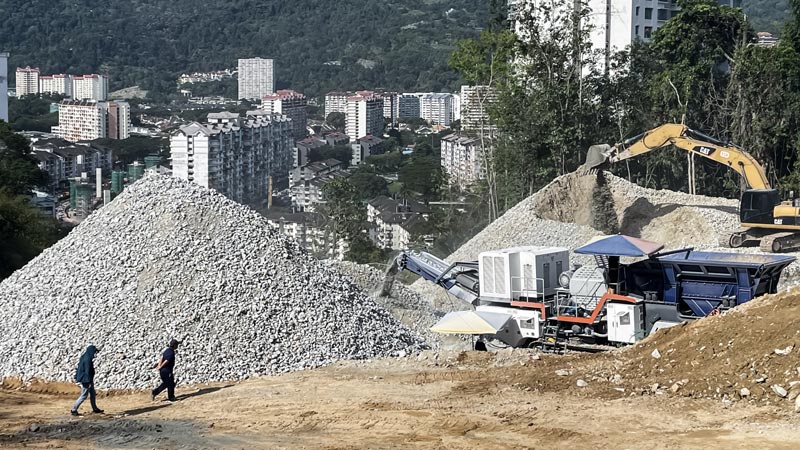
One of the most critical products for construction is gravel, specifically used in drainage, concrete mixing, and road surfacing. The stone crusher for gravel plays a specialized role in this process. Unlike crushers designed for producing manufactured sand or larger rip-rap, the equipment configured for gravel production focuses on creating a cubical, well-graded product with low fines content. This is essential for the durability of concrete structures and the stability of road bases that carry the heavy truck traffic supplying Latin America’s growing economies. The proliferation of small to medium-sized quarries dedicated to providing local gravel for community roads and building foundations demonstrates how this industry touches every level of society.
Economic and Social Catalysts
The impact of the aggregate industry extends far beyond the physical material it produces. In many parts of Latin America, where formal employment can be scarce, quarries and crushing operations provide vital jobs. A single aggregate crusher plant can support dozens of direct jobs—operators, mechanics, surveyors—and hundreds of indirect roles in transportation and maintenance. This economic activity helps stabilize local communities and provides the tax revenue that funds public services, from schools to healthcare. The industry empowers local contractors to participate in national infrastructure programs, fostering a sense of ownership and local capacity building.
Supporting Housing and Social Infrastructure
Beyond mega-projects, the aggregate industry is fundamental to social progress. Government programs aimed at reducing the housing deficit, such as “Mi Vivienda” in Peru or “Minha Casa Minha Vida” in Brazil, require vast amounts of concrete blocks, ready-mix concrete, and foundation materials. All of these rely on aggregate processed through a stone crusher plant. Similarly, the construction of schools, hospitals, and clean water facilities in rural areas depends on the availability of affordable, locally sourced crushed stone. By ensuring a steady supply of this basic commodity, the aggregate industry directly contributes to improved public health, education, and living standards.
Challenges and the Path to Sustainable Modernization
The rapid expansion of the aggregate industry is not without its challenges. Unregulated or illegal mining operations can lead to severe environmental degradation, including riverbed destruction and deforestation. There is a growing responsibility among legitimate operators to adopt sustainable practices. This includes responsible site rehabilitation, water management in washing processes, and dust suppression to protect nearby communities. The adoption of modern, efficient equipment, such as advanced rock crusher(trituradora de rocas) technologies with lower emissions and better energy efficiency, is a key part of this transition. The industry must balance the urgent demand for materials with the long-term health of the environment and the communities it serves.
Technological Adoption for a Greener Future
Looking ahead, the future of aggregate production in Latin America lies in technology. Automation, remote monitoring, and electrification of plants are beginning to take hold. A modern aggregate crusher plant equipped with telematics can optimize production, predict maintenance needs, and reduce fuel consumption. The use of electric conveyors instead of haul trucks, and hybrid power systems, are reducing the carbon footprint of extraction. As Latin American nations commit to climate goals, the aggregate industry will need to lead in demonstrating that modernization and environmental stewardship can go hand in hand. The journey from mine to city must become a sustainable circuit, not a one-way path of resource depletion.
Conclusion
From the dusty quarries on the outskirts of growing cities to the remote mines feeding massive infrastructure corridors, the aggregate industry is the silent partner in Latin America’s modernization story. The roar of the rock crusher and the precise work of the stone crusher for gravel(trituradora de piedra para grava) are the sounds of progress. By providing the literal foundation for roads, bridges, homes, and hospitals, this sector enables economic growth and social development. As Latin America continues its ascent on the global stage, the strength and sustainability of its aggregate industry will remain a critical determinant of its success, transforming the raw materials of the earth into the pillars of modern society.