A jaw crusher is a basic tool for crushing hard materials. It presses rock between two plates to break it down. This machine works in many industries. In this blog, we show how a jaw crusher fits different tasks. We also cover track jaw crusher, types of jaw crusher, aggregate crusher for sale, and concrete crusher machine options. These insights help customers pick the right unit for their work.
Let’s look at how use cases change the choice of jaw crusher.
Primary Crushing in Quarries and Mines
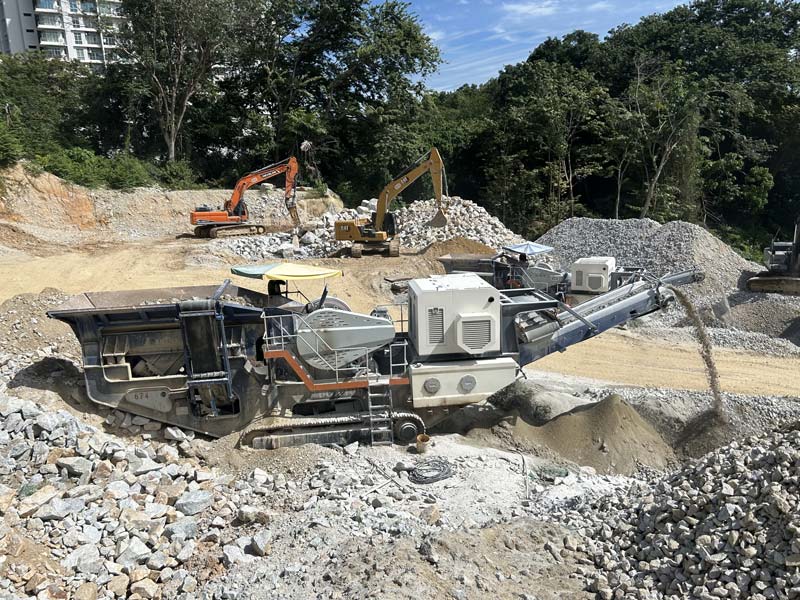
In quarries, the jaw crusher often takes the first step. It handles large stone straight from the pit. The machine reduces big boulders into smaller, manageable sizes. This prepares material for cone or impact crushers.
For hard rock like granite or basalt, a strong jaw crusher is vital. It must resist high pressure and abrasion. Some sites use a track jaw crusher to move with the extraction front. This saves transport and speeds production.
Recycling and Demolition Work
Demolition sites produce concrete, bricks, and mixed rubble. A concrete crusher machine with a jaw crusher works well here. It crushes slabs and beams into reusable aggregate. This lowers waste removal cost and supports green building.
In recycling plants, jaw crushers sort and crush debris from roads and buildings. They handle steel-reinforced concrete but may leave rods for magnetic separation. This makes cleanup easier and boosts output quality.
Road and Highway Construction
Road projects need graded aggregate for base layers. A jaw crusher supplies the first crushing stage. It turns raw stone into rough gravel for further screening.
Sometimes, a mobile setup with a track jaw crusher serves road gangs. It moves along the corridor as earthworks progress. This keeps aggregate supply steady without long hauls.
Building Construction and Architectural Stone
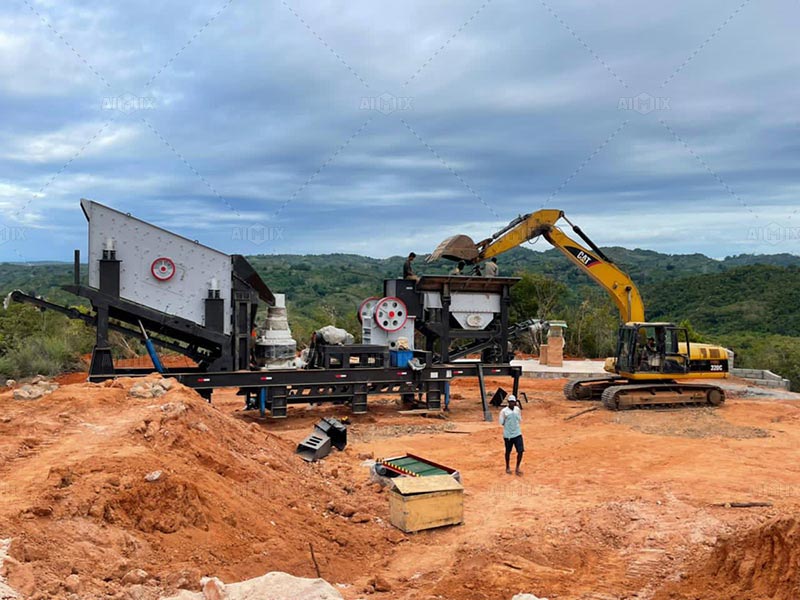
Some builders crush marble or slate for decorative use. A lighter-duty jaw crusher suits softer stone. It produces chips or powder for flooring and walls. This use needs careful control of output size.
In this case, the types of jaw crusher include single-toggle and double-toggle models. Single-toggle units often cost less and are easier to maintain. Double-toggle ones give more force for harder stone.
Choosing Among Types of Jaw Crusher
Knowing types of jaw crusher helps match machine to task. The single-toggle design is common in small and mid-size units. It uses less power and is easy to service.
Double-toggle models offer higher force. They suit very hard rock in mining or large quarries. However, they cost more and need stronger frames.
Another variation is the hydraulic jaw crusher. It adjusts settings automatically. This improves output consistency and cuts manual work. Hydraulic models appear in both fixed and mobile forms.
Aggregate Crusher for Sale: Matching Capacity to Need
Buyers searching for aggregate crusher for sale must check capacity first. Small quarries may need 50–100 tons per hour. Large producers look for 300–500 TPH units.
Also, review feed opening size. It must take your largest rock without jamming. A mismatch causes downtime and wear. Asking for a demo or trial run is wise before purchase.
Track Jaw Crusher for Flexibility
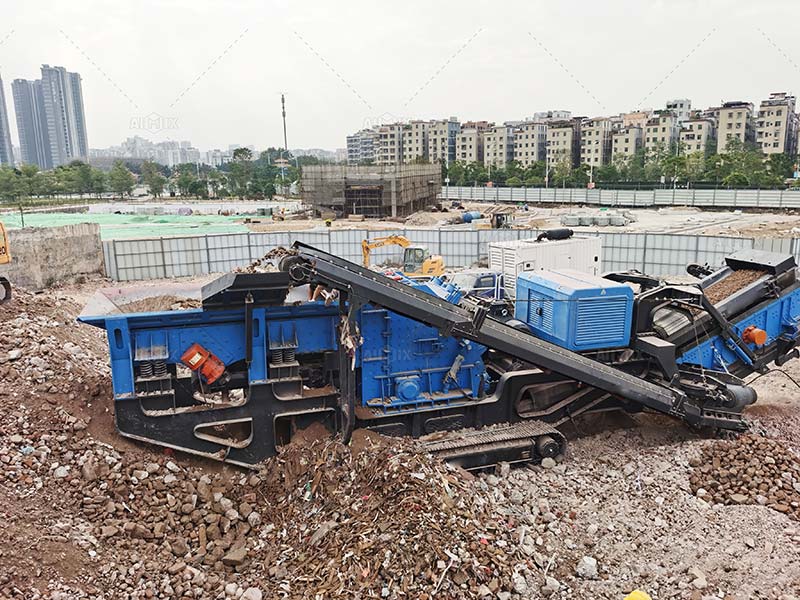
A track jaw crusher adds mobility to the jaw crusher’s strengths. It travels on steel tracks, so it works on slopes and soft ground. This is perfect for remote mines or forest roads.
Setup is fast. You drive to location, lower stabilizers, and start crushing. No need for heavy site grading or access roads. This saves time and lowers setup cost.
Yet, the mobility features raise purchase price. So, weigh flexibility against budget. If you shift sites often, the investment pays off.
Concrete Crusher Machine Role in Recycling Lines
In recycling, the concrete crusher machine often starts with a jaw crusher. It breaks slabs into smaller chunks for finer crushing. After that, impact crushers shape the final product.
This staged process improves quality. You get clean, graded aggregate for new concrete or road base. It also reduces waste sent to landfills.
Maintenance Tips for Long Service Life
All jaw crushers need regular checks. Inspect jaws, cheek plates, and bearings often. Replace them before they crack or deform.
Clean dust from coolers and intakes. Clogged paths cause overheating. Lubricate moving parts as makers advise. Use climate-appropriate oils in cold or hot zones.
Proper care lowers repair bills and keeps output steady. This applies to aggregate crusher for sale units and leased gear alike.
Buying Advice for Different Uses
First, define your material and output size. Soft stone needs lighter jaws. Hard rock needs stronger, often double-toggle units.
Next, decide between fixed and track jaw crusher models. If you work in one place, a fixed unit may be cheaper. If you move often, go mobile.
Then, check after-sales support. Reliable parts supply and service cut downtime. Ask makers about training and remote monitoring.
Finally, review total cost of ownership. Include fuel, wear parts, and repairs over five years. This shows the true jaw crusher in different use cost.
Conclusion
A jaw crusher works in many fields, from quarries to recycling. It handles rock, concrete, and architectural stone. Picking the right types of jaw crusher and configuration is key.
A track jaw crusher offers reach and speed for shifting sites. Aggregate crusher for sale units must match your capacity and material. A concrete crusher machine with a jaw crusher recycles efficiently.
By linking use case to machine type, you get better output and lower cost. This approach helps you invest wisely and run smoothly.