Choosing the right type of gantry crane for material handling and container operations is critical for operational efficiency, safety, and long-term cost savings. Two of the most widely used cranes in logistics and port operations are Rubber Tyred Gantry (RTG) cranes and Rail Mounted Gantry (RMG) cranes. While both cranes are designed for heavy lifting and container stacking, their operational characteristics, mobility, installation requirements, and suitability for different sites vary significantly. Understanding these differences is essential for businesses to make informed investment decisions.
Understanding RTG and RMG Cranes
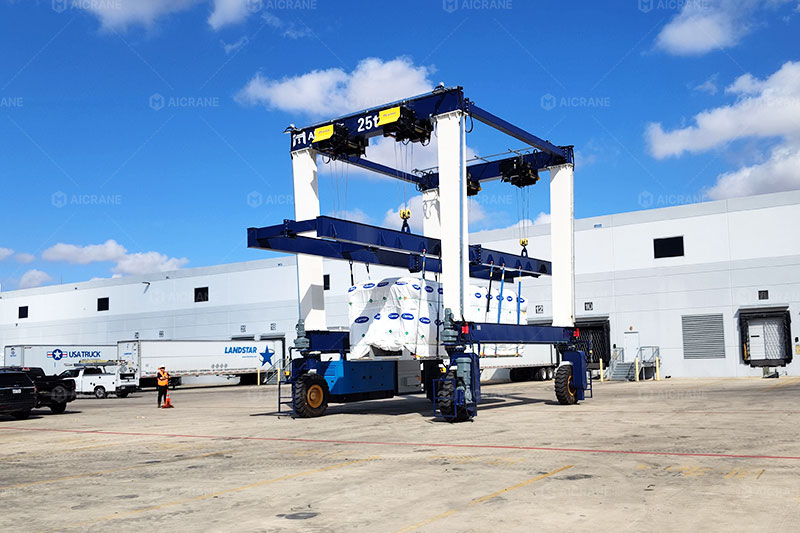
A rubber tyred gantry crane for sale is equipped with large rubber tires and can move independently along container yard surfaces without the need for rails. Its mobility allows it to maneuver across paved or concrete surfaces, making it flexible for stacking and loading operations in various yard layouts. RTGs typically operate with diesel engines, electric cable reels, or hybrid power systems, offering versatility in power supply.
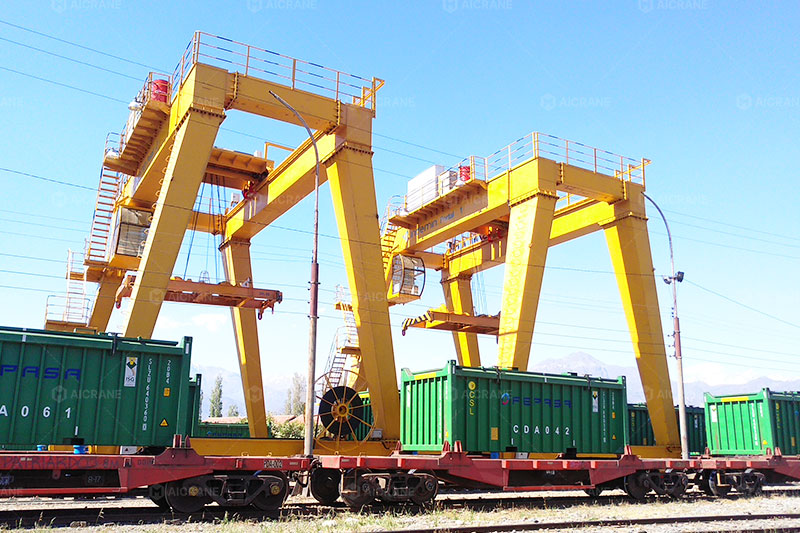
On the other hand, a Rail Mounted Gantry (RMG) crane runs on a fixed rail system embedded in the container yard or warehouse floor. The movement is restricted to the rail path, offering highly stable lifting and positioning for containers or heavy loads. RMG cranes are mostly electrically powered and are ideal for fixed, repetitive operations where cranes consistently follow the same travel paths.
Key Factors in Choosing Between RTG and RMG Cranes
Deciding whether to choose an RTG or RMG crane depends on several critical factors, including site layout, mobility requirements, operating costs, installation feasibility, and environmental considerations.
1. Site Layout and Space Availability
One of the most significant advantages of RTG cranes is their mobility. Unlike RMG cranes, which are restricted to rails, RTGs can operate in confined or irregular yard spaces. If your container yard is not perfectly linear or has non-uniform storage areas, RTG cranes offer the flexibility to reach stacks and transport containers without extensive infrastructure modifications.
RMG cranes, by contrast, require a well-planned rail network, which may not be feasible in older ports, irregularly shaped yards, or temporary storage facilities. Installation of rails requires precise leveling, surveying, and a significant upfront cost. Therefore, if your site layout is flexible or subject to change, RTGs are generally a better choice.
2. Mobility Requirements
RTG cranes excel in environments where frequent repositioning is required. Since they move on tires rather than rails, they can cover multiple rows, adjust to changing yard operations, and respond to dynamic container flow patterns. This is especially useful in:
- Ports and terminals with high container turnover
- Construction sites requiring temporary lifting solutions
- Warehouses that reconfigure storage areas frequently
RMG mobile gantry cranes are ideal for predictable, linear operations where the load path is consistent and repetitive. In scenarios where the workflow does not require repositioning, an RMG crane provides stable, precise lifting with minimal ground pressure on yard surfaces.
3. Ground Conditions and Infrastructure
The type of ground and site preparation plays a major role in crane selection. RTG cranes exert higher point loads due to tire pressure, typically ranging from 5 to 8 tons per wheel. Therefore, the surface must be high-quality asphalt or reinforced concrete capable of supporting the crane and its maximum load without excessive wear. However, they do not require permanent rail tracks, which makes initial installation faster and less invasive.
RMG cranes rely on precision-installed rails, which distribute load more evenly but require significant civil engineering work, including excavation, leveling, and ballast installation. If your yard cannot support rail installation due to soil conditions, space limitations, or budget constraints, RTG cranes are the preferred option.
4. Load Handling and Stacking Requirements
RTG cranes are suitable for high-mobility stacking operations and are particularly efficient in container yards with varying stack heights. They can stack containers to standard heights of 4–6 tiers, depending on crane specifications, and adjust to changing operational requirements.
RMG cranes offer exceptional precision, making them ideal for heavy industrial applications, such as steel or concrete handling, where precise placement along a fixed path is critical. If your operation involves extremely heavy loads or requires consistent alignment with other automated systems, RMG cranes may be more suitable.
5. Operational Efficiency and Productivity
Productivity depends not only on crane speed but also on operational flexibility. RTG cranes provide rapid repositioning without the need for additional rail infrastructure, enabling quick response to variable yard traffic. Modern RTGs also feature anti-sway systems, automated stacking controls, and hybrid power options, which enhance efficiency.
RMG cranes, however, deliver repeatable, precise movements along the rail, reducing the risk of misalignment and improving safety in high-density stacking operations. They are less affected by surface irregularities since the rails provide a stable path.
6. Cost Considerations
The initial investment and ongoing operational costs differ significantly between RTG and RMG cranes:
- RTG cranes generally have higher operating costs due to fuel consumption (diesel engines) and tire maintenance, but lower installation costs since no rails are required.
- RMG cranes have higher installation costs because of rail infrastructure but lower operating costs, especially if powered electrically. Maintenance focuses more on mechanical components than on tires.
Thus, RTGs are more cost-effective for short-term or flexible operations, while RMGs are economically justified for long-term, high-volume, stable operations.
7. Environmental and Regulatory Considerations
Environmental concerns, including emissions, noise, and ground impact, can influence gantry crane selection. Diesel-powered RTG cranes may produce emissions and noise, which is a consideration in urban ports or regulated environments. Electric or hybrid RTGs mitigate these issues but require infrastructure for power supply.
RMG cranes are electrically powered, making them environmentally friendly and suitable for areas with strict emission regulations. Additionally, their fixed rails reduce surface wear, lowering long-term environmental impact on yard surfaces.
Situations Where RTG Cranes Are Preferred
Based on the factors above, you should consider choosing an RTG crane when:
- The yard layout is irregular or confined, making rail installation impractical.
- Mobility is crucial for frequent repositioning or flexible container stacking.
- The operation is short-term or temporary, and investing in rails is not cost-effective.
- There is a need for rapid deployment and minimal civil works.
- Your site has a paved or reinforced surface capable of supporting RTG wheel loads.
- Environmental regulations allow for diesel or hybrid operations, or power supply infrastructure exists for electric RTGs.
Situations Where RMG Cranes Are More Suitable
Conversely, RMG cranes are more suitable when:
- Operations are long-term and predictable, with consistent stacking patterns.
- Loads are heavy or require precise alignment, such as steel, concrete, or containerized cargo.
- The yard infrastructure allows for proper rail installation.
- Energy efficiency and reduced emissions are a priority, favoring electric operation.
- Minimal maintenance and long-term durability are critical, given the reduced wear on rails compared to tires.
Conclusion
Choosing between a rubber tyred gantry crane and a rail mounted gantry crane depends on yard layout, mobility needs, load requirements, operating costs, and environmental factors. RTG cranes offer unmatched flexibility, rapid deployment, and adaptability to changing yard configurations, making them ideal for dynamic operations, temporary setups, and areas where rail installation is impractical. In contrast, RMG cranes provide precision, energy efficiency, and reliability for fixed, high-volume operations with heavy loads.
Before making a decision, businesses should conduct a thorough site assessment, evaluate long-term operational needs, and consider total cost of ownership. By aligning crane selection with specific operational goals, companies can optimize productivity, minimize risks, and ensure a safe and efficient material handling process.