Africa’s road construction market continues to grow fast, especially in regions with long-distance highways, mining corridors, and rural access roads. Yet many contractors still struggle with extreme heat, constant dust, unstable power supply, and long material hauling distances. Because of that, choosing the right asphalt plant for sale in South Africa becomes a key decision. The wrong plant slows production, wastes fuel, and increases maintenance costs. The right plant, however, keeps output stable and helps contractors deliver more projects in less time. In this post, I share practical insights based on real job-site conditions and daily challenges that contractors face. My goal is to help you find a plant that fits your climate, your material, and your working style.
Understanding Africa’s Harsh Working Conditions
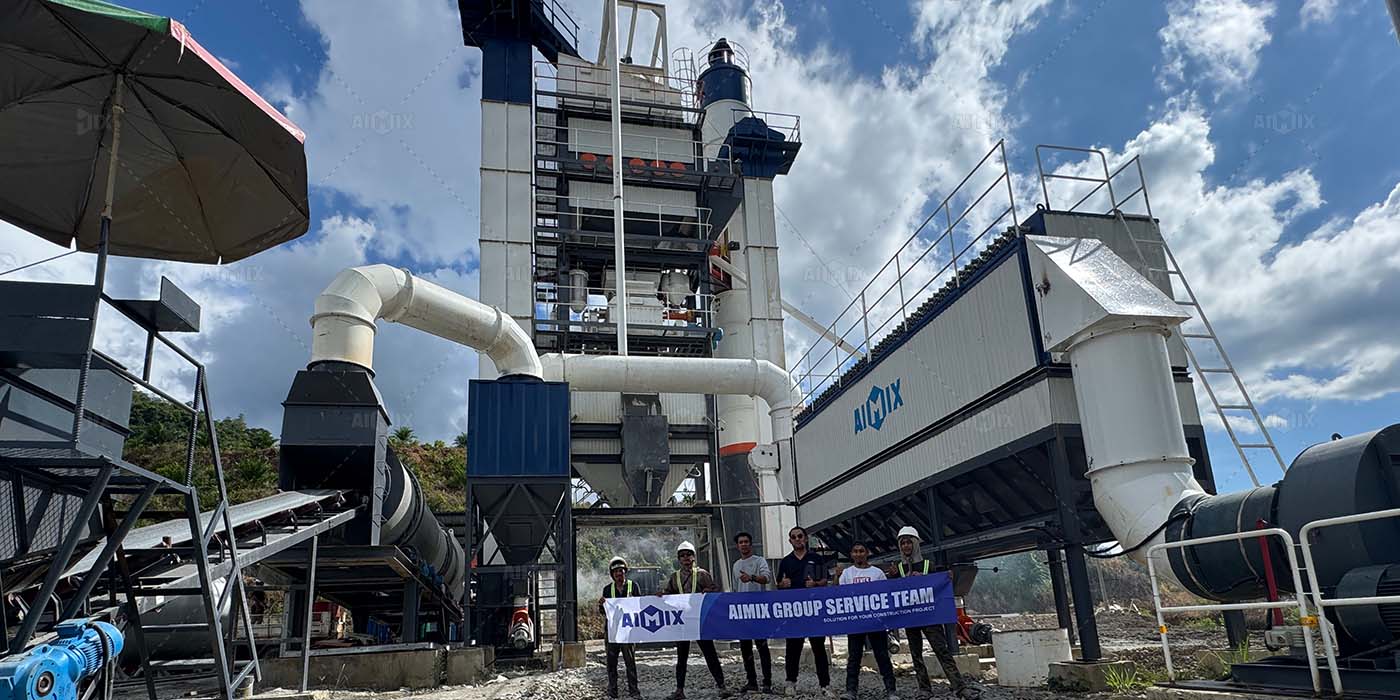
Before comparing plant types, we need to understand what makes African job sites different. Many contractors work in hot climates where daytime temperatures often reach 35–45°C. Sites near deserts or mining zones face heavy dust that enters burners, filters, and control systems. Power supply may fluctuate. Aggregate moisture varies after sudden rain. Each factor affects asphalt quality and fuel efficiency.
Because these conditions connect directly to plant performance, your choice must match reality, not theory. Therefore, let’s look at how each challenge influences your decision.
High Temperature and Fuel Efficiency
Continuous high temperature increases fuel consumption. It also affects burner stability. If the burner struggles to maintain consistent flame, asphalt temperature fluctuates. That leads to mix segregation on the road. For this reason, contractors often choose plants with efficient burners, high-temperature insulation, and stable drying drums.
Dusty Environment and Filtration System Reliability
Dust reduces bag filter life. It also clogs ducts and increases maintenance hours. Plants with robust dust-collection systems solve this. They keep emissions low and protect components from early wear. This matters more when you work near desert areas or quarry zones.
Remote Locations and Maintenance Access
Many African projects run far away from big cities. Spare parts, welding teams, and technicians may take days to arrive. So the ideal plant must be simple, strong, and easy to repair on site. This affects your choice between drum mix and batch mix models.
Drum Mix vs. Batch Mix: Which One Works Better in Africa?
Now that we understand the challenges, we can compare both types. Because many customers ask the same question, let’s break it down clearly and logically. After that, I will give real recommendations based on climate, production goals, and material conditions.
Drum Mix Plants: The Strong Choice for Heat and Dust
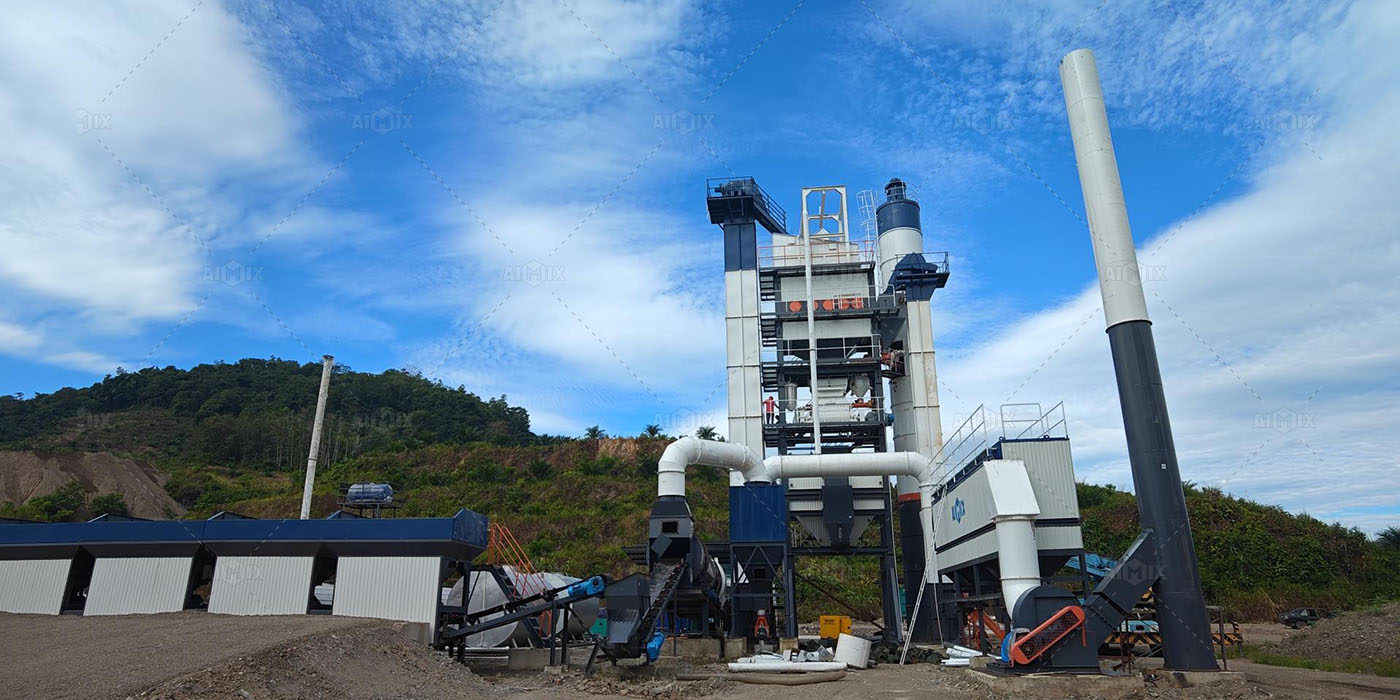
Drum mix plants perform well in hot, dusty regions for several reasons. First, the design is simple. Aggregates and bitumen mix in one continuous process. Because of that, there are fewer parts to maintain. Second, drum mix plants tolerate high temperature well. They heat aggregates evenly and keep output stable. Third, fuel consumption stays lower than batch mix plants, especially in long, continuous projects.
These advantages make drum mix plants ideal for:
- Long rural highways
- Mining haul roads
- Large-scale maintenance programs
- Remote areas with limited labor
However, drum mix plants offer less flexibility when you need many mix designs in one day. If your project requires frequent recipe changes, a batch plant may suit you better.
Batch Mix Plants: Higher Accuracy for Urban and Premium Roads
Batch mix plants deliver precise mixing. They allow fast recipe changes and strict quality control. Consequently, contractors choose batch plants for airports, national highways, and urban roads. The system weighs each component before mixing, so asphalt quality remains stable even with demanding specifications.
But asphalt batch plants come with higher maintenance needs. Dust enters more sections, and the complex system needs skilled technicians. In hot regions, the extra fuel use also becomes noticeable. For these reasons, batch plants fit well when quality matters more than simplicity.
Which Asphalt Plant Works Best for Africa’s Extreme Climates?
After comparing the two types, we can make clearer recommendations. These suggestions come from real feedback from customers working in Kenya, Nigeria, Tanzania, Ethiopia, Mozambique, and Ghana.
1. For Very Hot and Dusty Sites: Choose a Drum Mix Plant (DHB or ALT Series)
If daytime temperature stays above 35°C and dust levels are high, a parallel flow asphalt plant performs better. It resists heat. It requires less maintenance. It uses less fuel. These advantages help you keep production stable even in tough conditions.
Choose this when your project needs:
- Continuous production
- Long stretches of rural or provincial roads
- Low operating cost
- Fast installation and relocation
2. For Urban Roads and Airports: Choose a Batch Mix Plant (ALQ Series)
When job specifications demand quality and consistency, batch mix plants win. They help you follow strict government standards. They also support multiple mix types for different layers: base, binder, and wearing course.
Choose a batch plant when your work involves:
- Highway upgrades
- Airport runways
- City-level resurfacing
- Frequent mix design changes
3. For Projects in Remote or Mountain Areas: Consider Mobile Drum Mix Plants
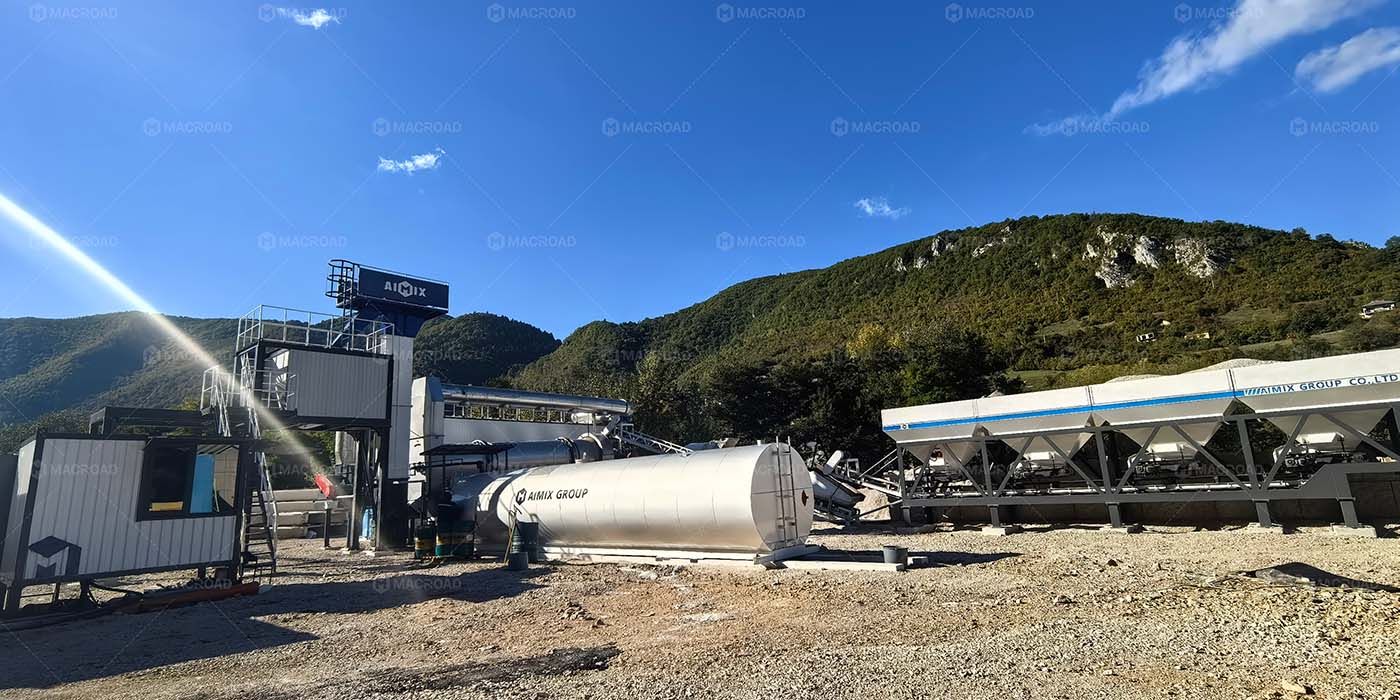
Mobile drum mix plants solve transport problems. They move easily between scattered sites. Their compact structure reduces installation time. Many African contractors use them in mountainous areas or remote mining zones. This reduces downtime during relocations.
Key Specifications You Should Check Before Purchasing
Now that you know which type fits your region, you need to check the specifications. Many contractors buy bitumen production plants that look good on paper but fail on site. To avoid mistakes, focus on factors that influence real-world performance.
Burner Type and Fuel Compatibility
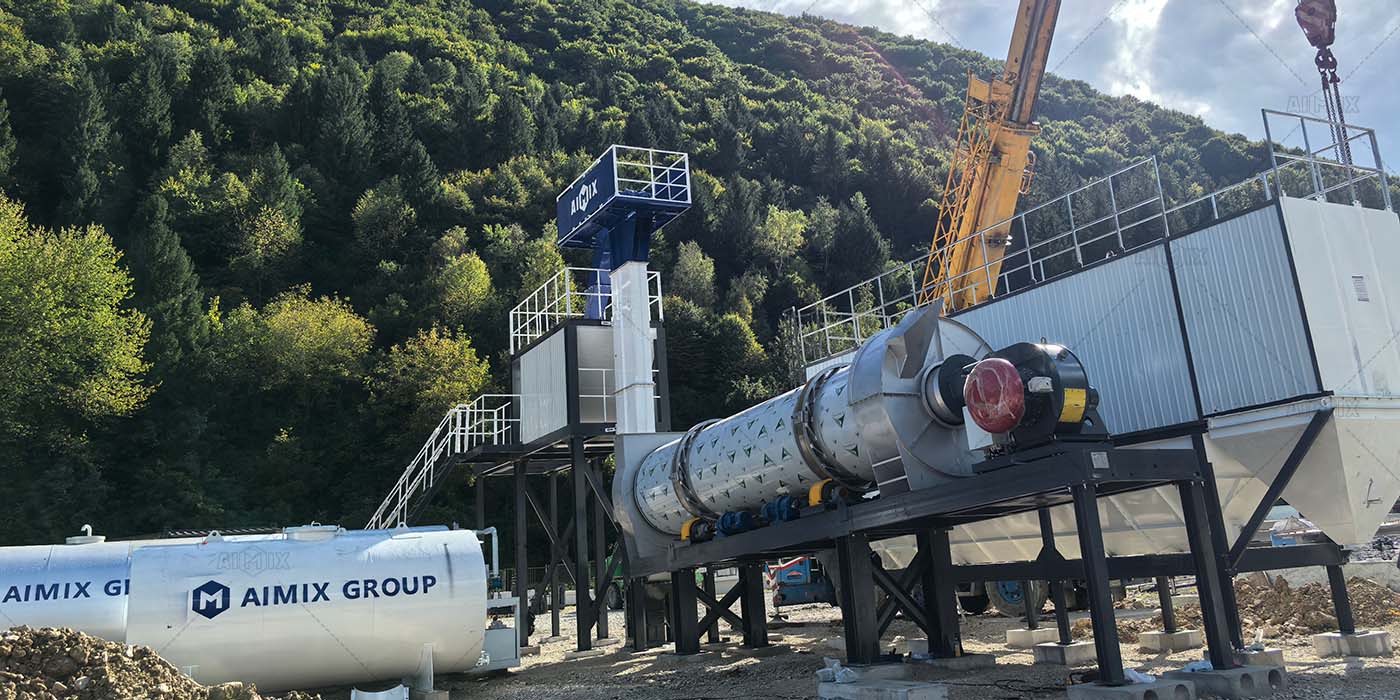
Diesel, heavy oil, and coal options exist. Choose one based on local fuel price and supply stability. A modern burner saves fuel and stabilizes flame even under dusty conditions.
Dust Collector Capacity
Hot and dusty climates require stronger filtration. A large baghouse keeps emissions clean and protects other components.
Drying Drum Efficiency
An efficient drum saves fuel and keeps output stable. It should heat aggregates evenly, especially when moisture varies after sudden rain.
Control System Reliability
If the power supply is unstable, choose a plant with a robust electrical system and surge protection. A stable control system prevents production stops.
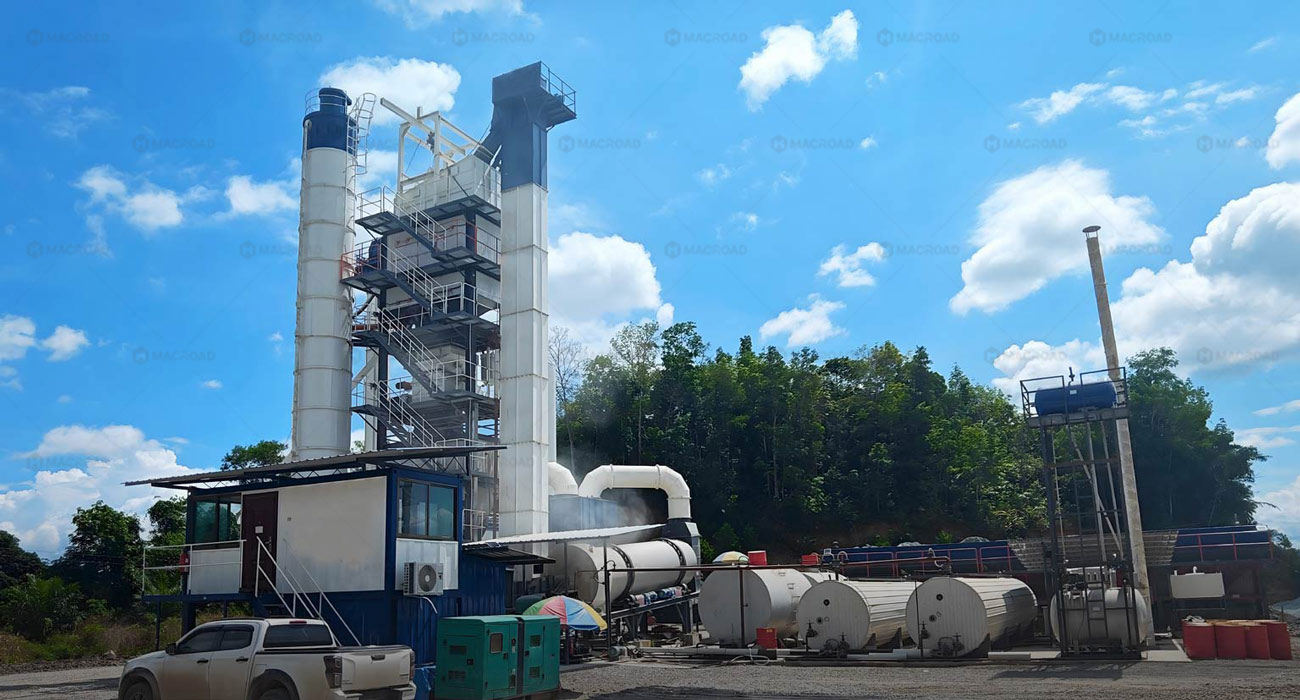
Why the Right Asphalt Plant Cuts Cost and Improves Profit
Your bitumen production plant affects your project margin more than you may realize. Fuel cost, downtime, spare parts, and labor hours all influence your profit. When your plant matches the climate and working style, you reduce every unnecessary cost. As a result, you complete more kilometers with the same budget. That is why many successful African contractors invest in the correct plant type instead of the cheapest option.
Looking for the Most Reliable Asphalt Plant for Africa? I Can Help.
If you want stable production in hot and dusty climates, I can help you choose a model that fits your region and your work. I supply drum mix plants, batch mix plants, and mobile solutions for African contractors. I also provide on-site installation support, spare parts, and lifetime technical service. Because I spend a lot of time talking with contractors, I understand what works in real projects, not only in brochures.
If you want to discuss your project or get a tailored recommendation, feel free to contact me. I am ready to help you build stronger roads with the right plant and the right support.