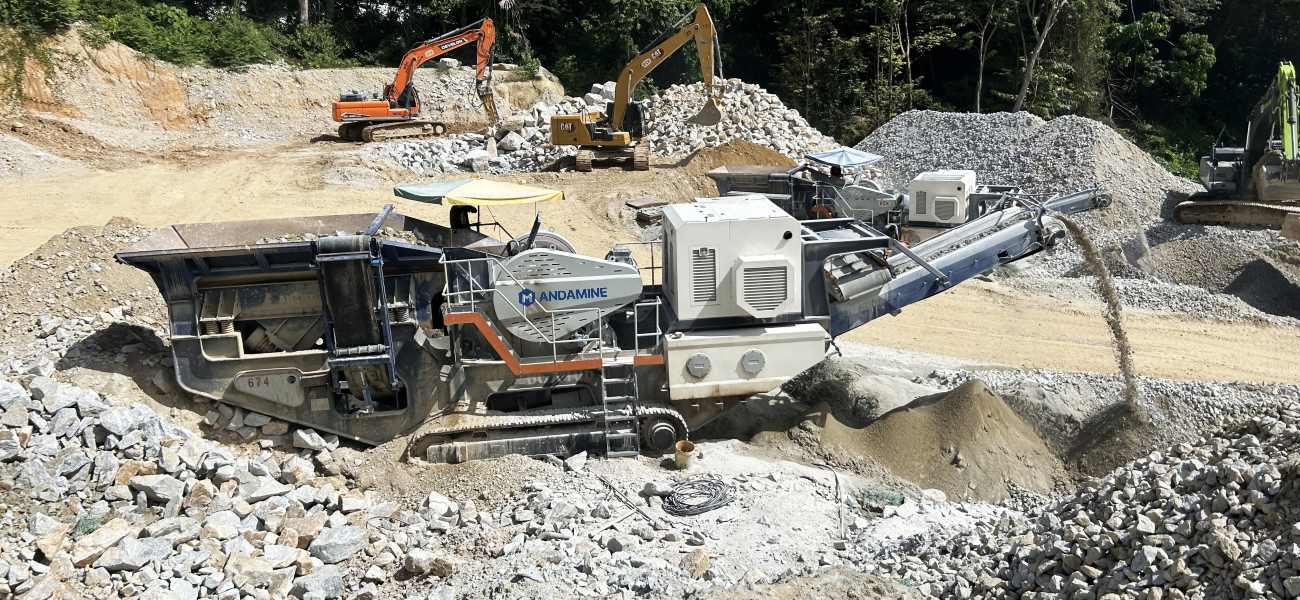
Mobile crushing and screening equipment plays an important role in modern aggregate production by integrating material feeding, crushing, screening, and product transportation into a coordinated processing system. However, high equipment capacity alone does not guarantee efficient production. If material flow is interrupted at any stage, the entire operation may experience reduced output, unnecessary handling, or inconsistent product quality. From the initial feeding process to final product stockpiling, every stage must be properly coordinated. Understanding how materials move through the system helps operators improve production efficiency, reduce operating costs, and maintain a stable supply of finished aggregates.
1. Material Flow Begins with Stable Feeding
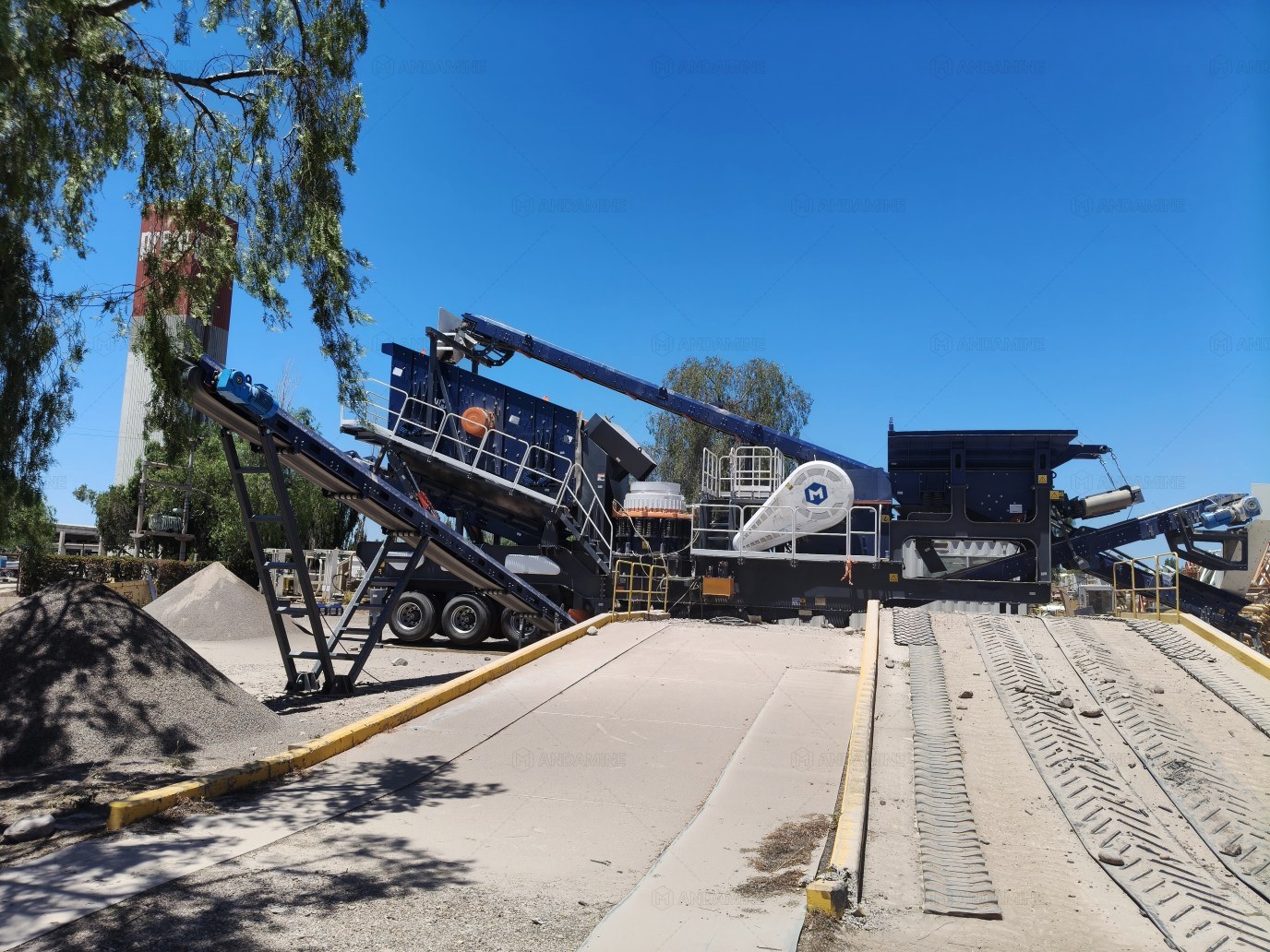
Feeding is the first stage of a mobile crushing and screening operation. Its main function is to deliver raw materials into the crusher at a consistent rate while preventing oversized rocks, soil, and other unwanted materials from disrupting the process.
A vibrating feeder is commonly used to regulate material flow from the hopper to the primary crusher. It helps distribute rocks evenly and reduces sudden surges that could overload the crushing chamber. For materials containing excessive soil or fine particles, a grizzly feeder can separate some undersized material before crushing, reducing unnecessary processing and wear.
Uneven feeding can create several operational problems. When too much material enters the crusher at once, the machine may become overloaded. When feeding is insufficient, the crusher operates below its potential capacity. Therefore, operators should consider the material’s size distribution, hardness, moisture content, and feeding rate when adjusting the system.
A stable feeding process also depends on the loading method. Excavators and wheel loaders should deliver material consistently without causing excessive segregation or placing large rocks in unsuitable positions within the hopper.
2. Primary Crushing Establishes the Foundation for Material Processing
After feeding, raw materials enter the primary crusher, where large rocks are reduced to smaller sizes for subsequent processing. A mobile jaw crusher plant is commonly used for primary crushing because its compression-based crushing mechanism can handle various types of hard and abrasive rocks.
Jaw crushers reduce material between a fixed jaw plate and a movable jaw plate. The crushing process produces smaller particles that can be transported to secondary crushing or screening equipment. The crusher’s feed opening, discharge setting, and processing capacity should match the characteristics of the incoming material and the requirements of downstream equipment.
For projects involving frequent site changes, a track mobile crusher can provide additional flexibility. Its crawler-mounted design allows the equipment to move around the working area without requiring a separate towing vehicle for routine on-site relocation. This can be particularly useful in quarries, mining areas, and infrastructure projects where material sources or working positions change.
However, mobility should not be considered separately from production requirements. Operators must ensure that the primary crusher delivers a suitable feed size and a stable material volume to the next processing stage.
3. Secondary Crushing and Screening Must Work Together
Primary crushing rarely produces all the aggregate sizes required by the market. Secondary crushing and screening are therefore important for controlling final product specifications.
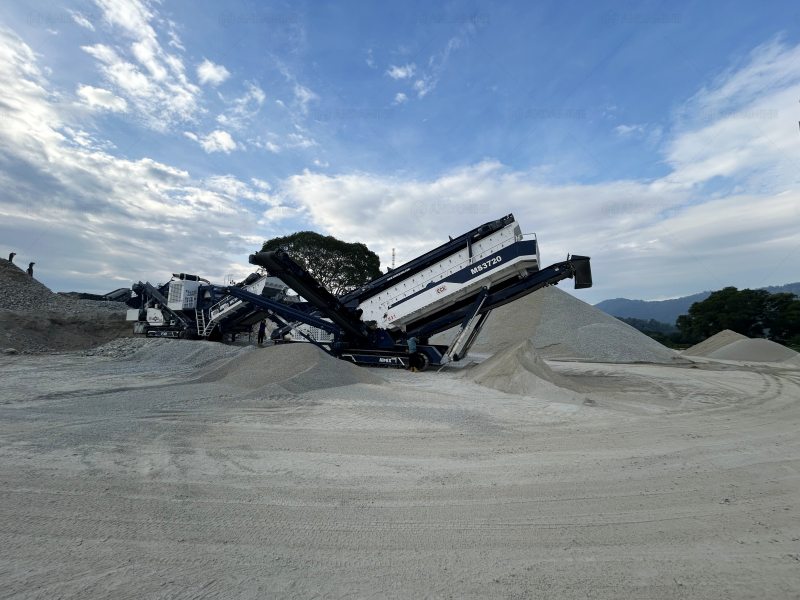
Depending on material hardness and the desired particle shape, a mobile plant may use a cone crusher or impact crusher for secondary processing. Cone crushers are commonly selected for harder and abrasive materials, while impact crushers can be suitable for certain applications requiring improved particle shape.
After secondary crushing, materials enter a vibrating screen for classification. The screen separates particles into different size fractions according to the required specifications. Oversized material can be returned to the crusher for further reduction, creating a closed-circuit process. Finished-size particles move to the corresponding discharge conveyors.
The relationship between crushing and screening capacity is critical. If the crusher produces material faster than the screen can classify it, material may accumulate and restrict the entire production line. Conversely, insufficient crushing capacity can leave the screening equipment underutilized.
To improve system balance, operators should evaluate crusher output, screen area, mesh size, material moisture, and recirculating load together rather than adjusting individual machines in isolation.
4. Conveyors Keep Material Moving Between Processing Stages
Conveyors connect feeders, crushers, screens, and stockpiles, making them essential to continuous material flow. Their layout directly influences how efficiently the mobile crushing and screening equipment operates.
Conveyor width, belt speed, inclination, and loading position should be matched to the expected material volume. If a conveyor cannot handle the discharge rate of the preceding machine, material may accumulate around transfer points and interrupt production.
Transfer points also require attention. Poorly designed discharge arrangements can cause material spillage, excessive dust, and uneven belt loading. Proper chute design and suitable belt cleaners help maintain stable transportation and reduce material losses.
In multi-stage mobile crushing systems, conveyor positioning should also allow enough room for machine movement, inspection, and maintenance. A practical layout minimizes unnecessary material transfers while keeping access routes clear for operators and service vehicles.
5. Final Product Stockpiling Protects Production Efficiency
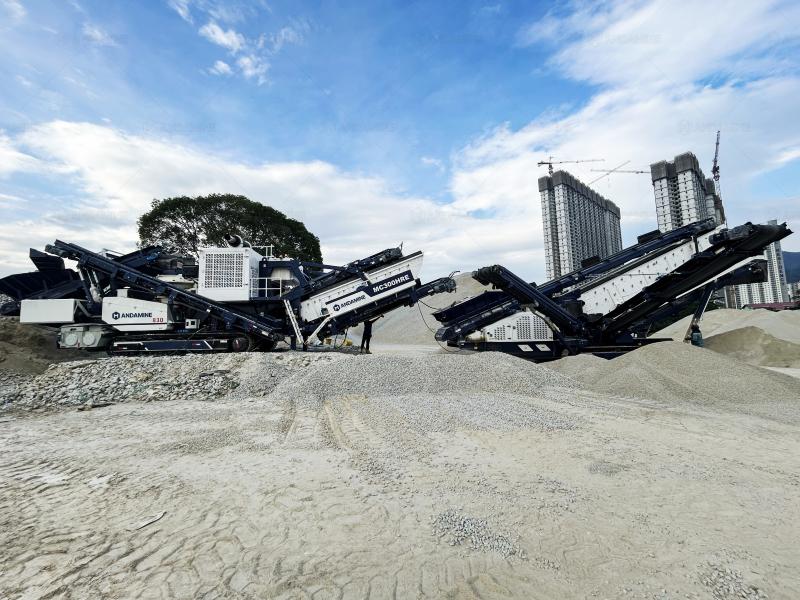
Stockpiling is the final stage of material flow, but it can influence the performance of the entire plant. Finished aggregates must be stored in a way that prevents contamination, excessive segregation, and unnecessary rehandling.
Separate stockpiles should be established for different product sizes. For example, 0–5 mm manufactured sand, 5–10 mm aggregate, and 10–20 mm aggregate should be stored independently when these are the required products. Clear separation makes inventory management easier and helps maintain consistent deliveries.
Stockpile capacity is another important consideration. If storage space is insufficient, finished material may accumulate near discharge conveyors, eventually forcing operators to reduce or stop production. Stockpile locations should therefore be planned according to production volume, loading access, and expected delivery schedules.
Operators should also avoid excessive drop heights and uncontrolled dumping, which can increase particle segregation. Proper conveyor discharge positioning and stockpile management help preserve product quality.
6. How to Choose a Mobile Crushing Plant for Efficient Material Flow
When considering how to choose a mobile crushing plant, buyers should evaluate the entire processing sequence rather than focusing only on the primary crusher. The raw material type, maximum feed size, required output capacity, finished product specifications, and project duration all influence equipment configuration.
For example, hard granite may require a jaw crusher for primary reduction and a cone crusher for secondary crushing. Softer limestone may be processed using a different crushing arrangement depending on the required particle shape and final sizes. Projects with frequent relocation requirements may benefit from tracked configurations, while other sites may prioritize transportation arrangements and initial investment.
It is also important to compare the capacities of feeders, crushers, screens, and conveyors. A balanced system prevents bottlenecks and helps maintain consistent production. Buyers should additionally consider maintenance access, fuel or power consumption, wear-part availability, and the space required for stockpiling.
Ultimately, efficient mobile crushing and screening depends on how well each stage works with the others. Stable feeding, appropriate crushing, effective screening, reliable conveying, and organized stockpiling create a continuous material flow that supports higher productivity and better control over operating costs.