So, is a 120 TPH mobile asphalt plant suitable for contractors moving between regional road projects? The answer depends on the contractor’s actual workload, project locations, and operating plan. The key is to match production capacity and mobility with the construction schedule.
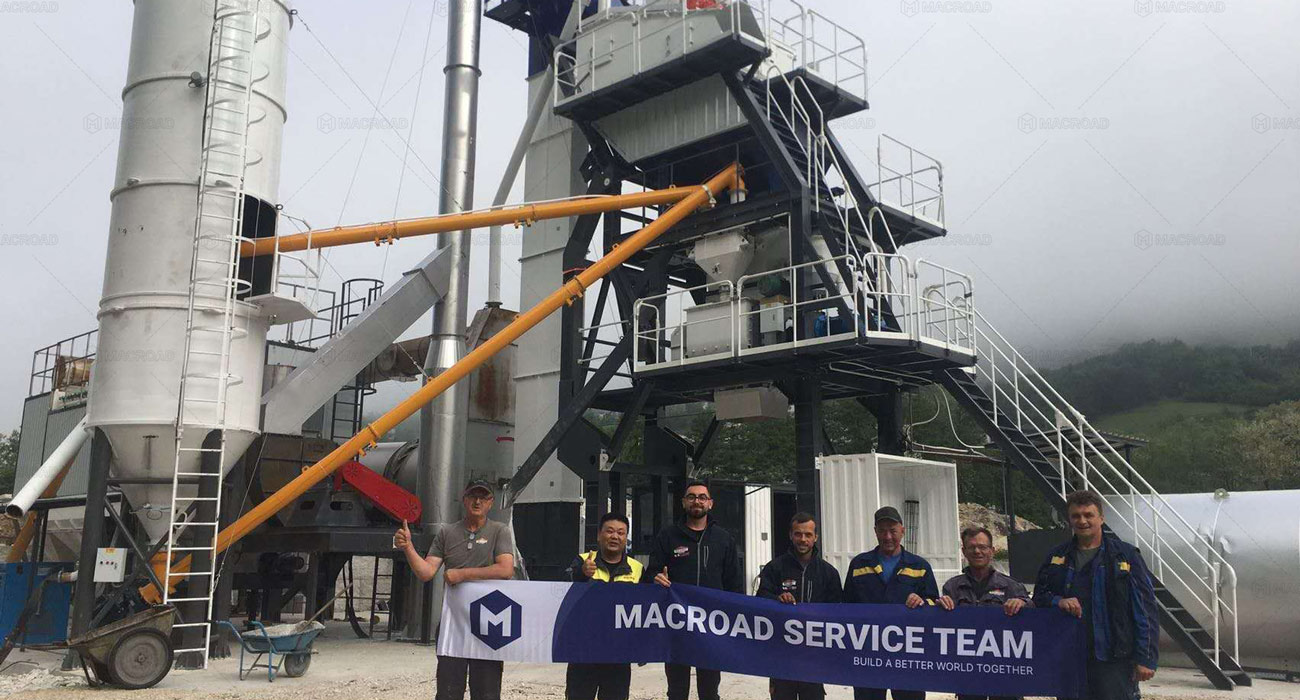
Why Mobility Matters For Regional Road Projects
Regional road contractors often face a different operating model from contractors working on one permanent construction site. A company may complete a highway section in one area and then move its paving equipment to another region. The next project may have a different asphalt demand and a different aggregate source.
When the asphalt plant remains far from the paving site, transportation becomes an important part of the production plan. Asphalt trucks need to travel between the plant and the paving area. Longer haul distances increase truck cycle time. More trucks may also be required to maintain a continuous supply to the paver.
A mobile asphalt plant changes this relationship between production and paving.
Instead of always transporting finished asphalt from one permanent production base, the contractor can consider moving the asphalt plant closer to the active construction area. This approach can make sense when the same contractor has several regional projects over time.
However, the benefit does not come simply from calling a plant “mobile.” The contractor should examine how the plant is transported, how many transport units are needed, how much site preparation is required, and how quickly production can restart after relocation.
Mobility Is A Logistics Decision
For a contractor, mobility should be evaluated as part of the entire project logistics system. A qualified asphalt plant supplier should be able to discuss the plant configuration together with transportation, installation, production, and service requirements.
- How far is the next project from the current plant location?
- How often will the plant move?
- How much asphalt does each project require?
- How long will the plant remain at each project?
- Can local aggregate and fuel be supplied reliably?
- How quickly can the plant be installed and commissioned?
These questions are more useful than looking only at the plant’s transportable design. More importantly, they help contractors judge whether mobility creates a real operational advantage for their project pipeline.
What Does 120 TPH Mean In Real Project Planning?
120 TPH means a nominal production capacity of 120 tons of asphalt mixture per hour under specified operating conditions. It does not mean that a contractor will always receive exactly 120 tons from the plant during every operating hour.
Actual production depends on many factors. Aggregate moisture, mix design, material temperature, burner performance, feeding efficiency, maintenance, truck availability, and operator coordination can all affect output.
For example, if a plant produces an average of 100 tons per productive hour and runs for eight productive hours, the daily production would be approximately 800 tons.
If the plant achieves close to its nominal 120 TPH capacity for eight productive hours, the theoretical output reaches approximately 960 tons per day.
| Planning Example | Production Rate | 8 Productive Hours |
|---|---|---|
| Lower utilization example | 80 TPH | 640 tons/day |
| Typical planning example | 100 TPH | 800 tons/day |
| Near nominal capacity | 120 TPH | 960 tons/day |
These figures are planning examples, not guaranteed production results. Therefore, contractors should calculate equipment requirements from realistic utilization rather than using the maximum capacity as the daily production figure.
This distinction is particularly important when comparing a 120 TPH plant with an 80 TPH or 160 TPH plant. The larger number does not automatically create better project economics if the additional capacity remains unused.
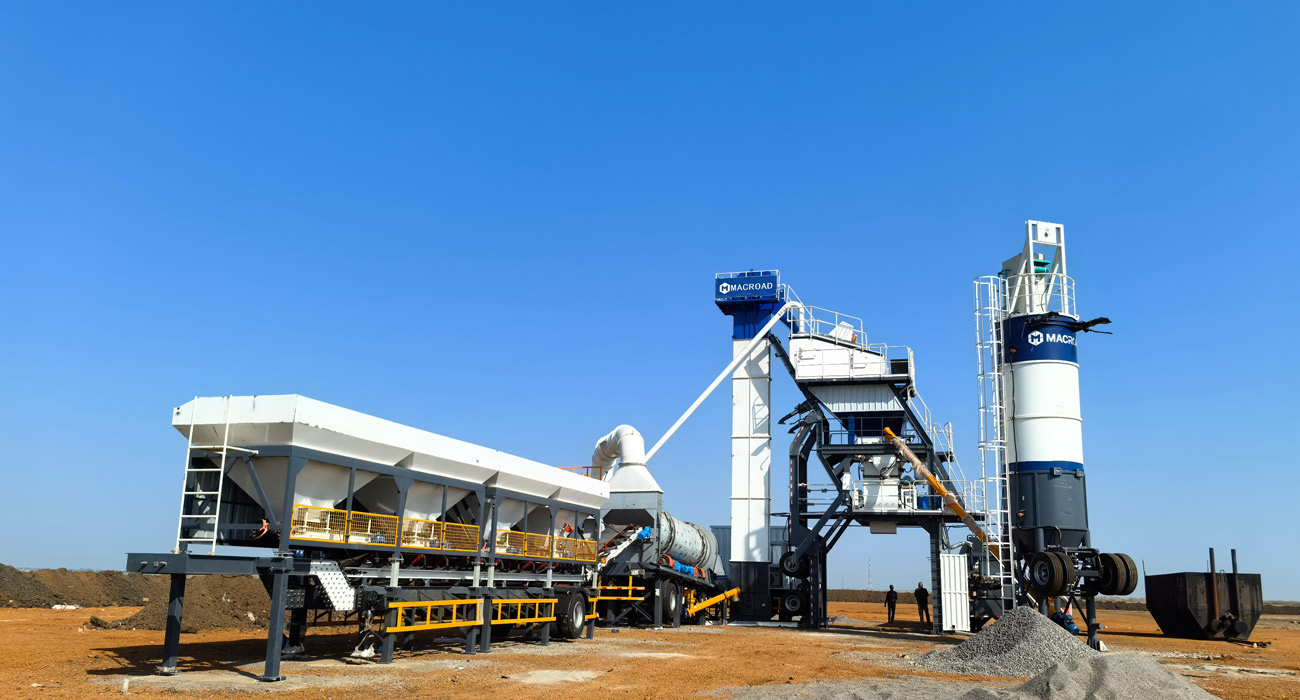
When Does A 120 TPH Mobile Asphalt Plant Make Sense?
After understanding the capacity, contractors can compare it with their actual project requirements. A 120 TPH mobile asphalt plant becomes more relevant when several conditions occur at the same time.
Contractors With Multiple Regional Projects
Contractors that regularly bid for road construction and rehabilitation projects in different regions may benefit from a mobile production strategy.
For example, a contractor may complete one highway rehabilitation project and then move to another regional road project. If the company has a reliable project pipeline, one mobile asphalt plant can potentially support multiple projects during its service life.
This creates a different equipment investment model. Instead of purchasing equipment for one permanent site, the contractor can plan the plant around a series of projects.
This is where a mobile asphalt plant for sale becomes relevant to contractors who need production capacity without permanently fixing the plant to one construction location.
Therefore, the number of expected projects matters almost as much as the size of the current project.
Projects Requiring Several Hundred Tons Of Asphalt Per Day
A 120 TPH plant is generally more meaningful when the project requires substantial daily asphalt production.
Suppose a road project needs approximately 700 to 900 tons of asphalt mixture on active paving days. A 120 TPH plant provides enough nominal capacity to support this range when the contractor can maintain productive operating hours and coordinate aggregate supply, truck loading, and paving operations.
On the other hand, a small municipal road project that requires only 200 tons per day may not use the available capacity efficiently.
Consequently, contractors should calculate daily asphalt demand before selecting the plant.
Projects With Long Asphalt Haul Distances
Transport distance is another important factor.
Hot asphalt mixture needs coordinated transportation from the plant to the paving site. When the haul distance becomes long, truck cycle time increases. The contractor may need additional trucks to maintain a continuous flow.
For example, if one truck can complete several short delivery cycles during a shift, the same truck may complete far fewer cycles when the plant is located much farther from the paver.
A mobile asphalt plant can potentially reduce this logistical pressure by moving production closer to the work area.
However, contractors should compare the cost and time of relocating the plant with the cost of transporting finished asphalt over the same project period.
Why Choose A Batch Asphalt Plant For Changing Projects?
Mobility solves the location problem. Production flexibility solves another problem.
Regional contractors may not always produce exactly the same asphalt mixture. Different road projects can have different specifications, aggregate gradations, binder requirements, and pavement layers.
A batch asphalt plant produces asphalt mixture in controlled batches. This production method allows the operator to manage different mix recipes according to project requirements.
For contractors who need controlled production and the ability to work with different mix designs, an asphalt batch mix plant can be considered alongside the mobility requirement.
That flexibility can be useful for contractors who do not work on one identical road specification throughout the year.
Batch Production And Mix Control
Consider a contractor working on several projects. One project may require asphalt for a base layer. Another may require a surface mixture with a different aggregate gradation.
The contractor can configure production around the required mix designs rather than treating every project as the same.
Therefore, when comparing a mobile batch plant with a drum-type plant, contractors should look beyond production capacity. The required asphalt specifications and number of mix types can influence the decision as well.
What Should Contractors Check Before Buying?
Once a 120 TPH mobile batch plant appears suitable, the purchasing process should move from general specifications to project-specific details.
This is where a quotation needs careful examination. Two plants can have similar nominal capacities but very different configurations, transport requirements, operating conditions, and support arrangements.
1. Transportation And Relocation
Ask the supplier how the complete plant will move from one project to another.
Check the number of transport vehicles required. Check the main component dimensions. Also check whether cranes or other lifting equipment are required during installation.
Most importantly, ask for a realistic relocation plan rather than simply accepting the word “mobile.”
2. Installation Time
For contractors moving between projects, installation time affects project utilization.
A plant that requires a long installation period can reduce the available production window on short projects.
Therefore, contractors should ask what site preparation is required and how much time is normally needed for assembly, electrical connection, testing, and commissioning.
3. Aggregate Moisture
Aggregate moisture can significantly influence asphalt production.
The dryer must remove moisture before the aggregate reaches the mixing process. Higher moisture can increase the energy required for drying and may reduce practical production efficiency.
Therefore, the contractor should provide the supplier with information about the local aggregate source and expected moisture conditions.
4. Fuel Consumption
Fuel cost can become a major operating expense for a high-production asphalt plant.
However, fuel consumption depends on operating conditions. Aggregate moisture, fuel type, burner efficiency, material temperature, and production rate can all affect actual consumption.
For this reason, contractors should ask suppliers to state the conditions behind any fuel consumption figure.
5. Dust Collection
Environmental requirements also need attention.
The plant should have an appropriate dust collection system for the production process. Contractors should also confirm the environmental requirements that apply to the specific project location.
Do not assume that a plant configuration approved for one location automatically meets the requirements of another location.
6. Spare Parts And Service
A mobile plant may travel between several regions during its working life. As a result, service planning becomes particularly important.
A small component failure can stop production. If the replacement part takes several days to arrive, the paving schedule may also suffer.
Before buying, ask about spare parts, technical support, installation assistance, operator training, remote troubleshooting, and maintenance support.
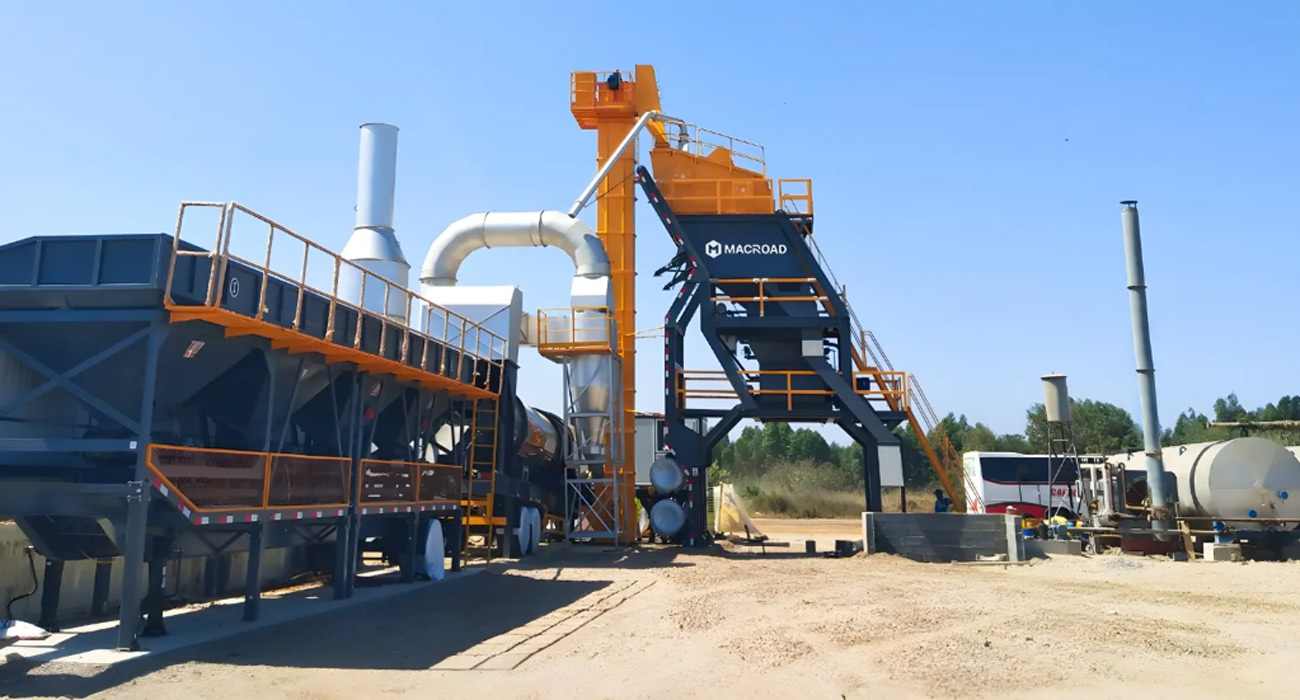
How Does 120 TPH Compare With Smaller And Larger Plants?
The right capacity depends on the contractor’s workload. A simple comparison can help show why.
| Plant Capacity | Potential Application | Main Planning Question |
|---|---|---|
| 60–80 TPH | Smaller regional and municipal road projects | Will the plant provide enough daily output? |
| 100–120 TPH | Medium-to-large regional road projects | Can the contractor maintain high utilization? |
| 160 TPH And Above | Large projects with high daily asphalt demand | Can the project keep the larger capacity productive? |
| Stationary Batch Plant | Long-term centralized asphalt production | Is frequent relocation really necessary? |
This comparison highlights an important point. Contractors should not select capacity based only on the largest project they have ever handled.
Instead, they should consider their typical project size, expected annual workload, production schedule, and future project pipeline.
How Does A 120 TPH Mobile Plant Fit A Regional Road Workflow?
Imagine a contractor receives a road rehabilitation project that requires several hundred tons of asphalt per day for multiple months.
The contractor establishes the mobile plant near a suitable aggregate source and within a practical distance of the paving area. Aggregate trucks deliver material to the plant. The plant produces the required asphalt mixture. Asphalt trucks then transport the hot mix to the paving crew.
Because the production point remains relatively close to the paving operation, the contractor can coordinate plant production, truck dispatch, and paving more directly.
For projects where site access and relocation speed are particularly important, contractors may also compare portable asphalt mixing plants as another configuration option. The practical choice depends on the transport method, installation requirements, production target, and project duration.
After completing the project, the contractor can evaluate the next project location.
If the next project justifies relocation, the plant can become part of the next regional construction operation.
This is the core business logic behind a mobile asphalt plant. The equipment is not valuable simply because it can move. It becomes valuable when mobility helps the contractor use one production system across multiple suitable projects.
What About Kazakhstan’s Long-Distance Road Construction?
Kazakhstan is a particularly relevant market for this type of planning because road contractors can operate across large geographic areas. Regional projects may involve significant distances between material sources, asphalt production, and paving locations.
These conditions make logistics an important part of asphalt plant selection.
Contractors should consider road access for transport vehicles, local aggregate availability, fuel supply, electrical infrastructure, seasonal working conditions, and the distance between the plant and paving section.
Climate conditions also deserve attention. Cold weather can affect startup, heating, bitumen handling, material temperature, and construction schedules. Therefore, the final plant configuration should match the expected operating season and project location.
In addition, Kazakhstan contractors should consider how the plant will be transported between regions. A technically mobile plant still requires suitable transport routes, lifting arrangements, and installation planning.
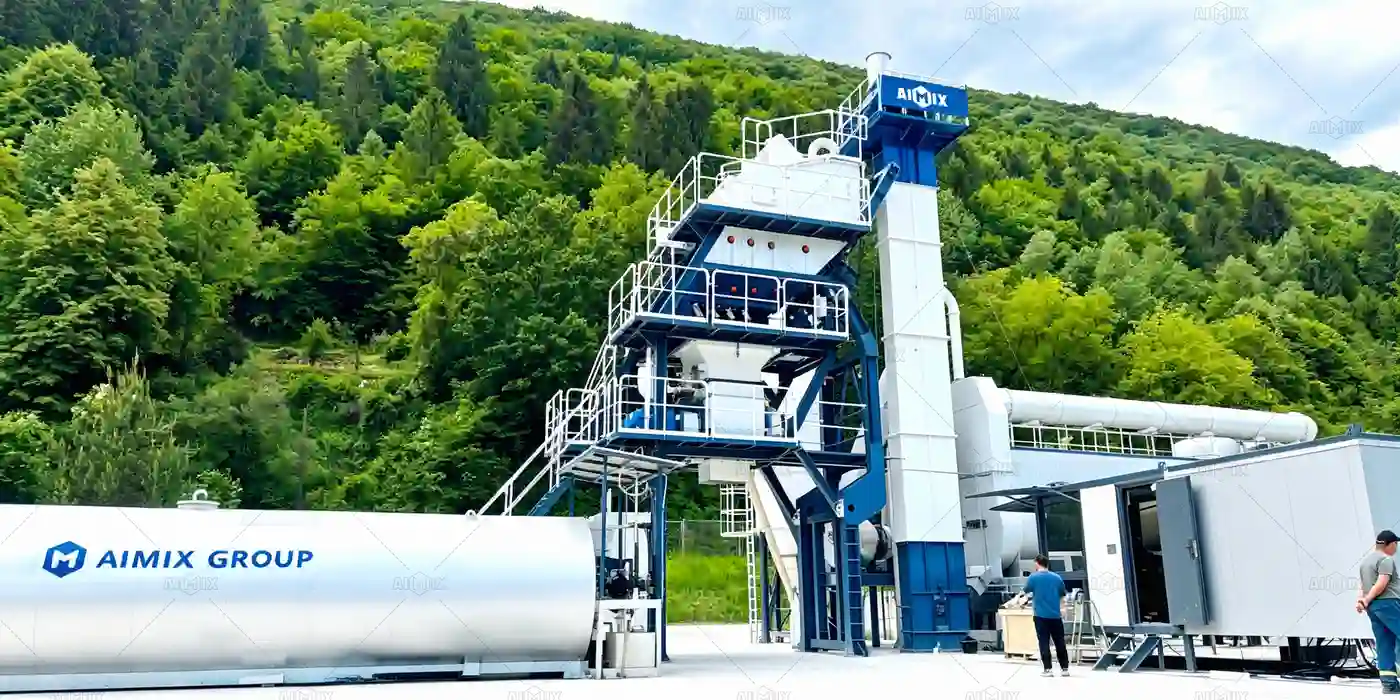
When Might 120 TPH Be Too Much?
A 120 TPH plant is not automatically suitable for every contractor.
If a contractor normally handles projects requiring only 200 to 300 tons of asphalt per day, a smaller plant may provide a production scale that is easier to utilize.
Likewise, a contractor that regularly requires more than 1,000 tons of asphalt per day may need to examine a larger production system or a different plant arrangement.
Project duration also matters.
If a project lasts only a few weeks, the contractor should carefully calculate the time and cost required to transport, install, commission, and later relocate the plant.
In contrast, a longer regional road project can provide more time to recover the logistical effort involved in establishing the mobile plant.
Therefore, plant capacity should always connect with project duration and utilization.
How To Calculate Your Required Asphalt Plant Capacity
Before contacting a supplier, contractors can prepare a simple project calculation.
- Calculate the total asphalt mixture required for the project.
- Estimate the number of working days.
- Calculate the expected average daily asphalt demand.
- Identify the peak daily production requirement.
- Estimate realistic productive operating hours.
- Check the distance between asphalt production and paving.
- Estimate the number of asphalt trucks required.
- Check aggregate availability and moisture conditions.
- Identify the asphalt mix types required.
- Estimate whether the plant will move to another project after completion.
For example, if a contractor expects 800 tons of asphalt demand on a busy paving day and plans eight productive production hours, the required average rate is approximately 100 TPH.
A 120 TPH plant would provide additional nominal capacity above that average requirement. However, the contractor still needs to verify truck logistics and actual operating conditions.
This calculation provides a much stronger basis for equipment selection than starting with a model number.
Questions To Ask A Mobile Asphalt Plant Supplier
A serious equipment inquiry should include more than “What is the price of a 120 TPH asphalt plant?”
The following questions can help contractors obtain a more useful quotation:
- What is the plant’s nominal and practical production range?
- What aggregate moisture conditions apply to the quoted production rate?
- How many transport units are required?
- What are the main transportation dimensions?
- How long does installation normally take?
- What foundation or site preparation is required?
- What fuel options are available?
- What dust collection system is included?
- How are different asphalt mix recipes managed?
- Which spare parts should be kept at the project site?
- What commissioning support is included?
- What technical support is available after installation?
- Which components are included in the quotation?
- Which optional components could affect the final investment?
These questions help turn a general equipment search into a project-based purchasing evaluation. They also make it easier to compare suppliers on configuration, service, logistics, and long-term operating requirements instead of comparing purchase prices alone.
Is A 120 TPH Mobile Asphalt Plant Right For Your Business?
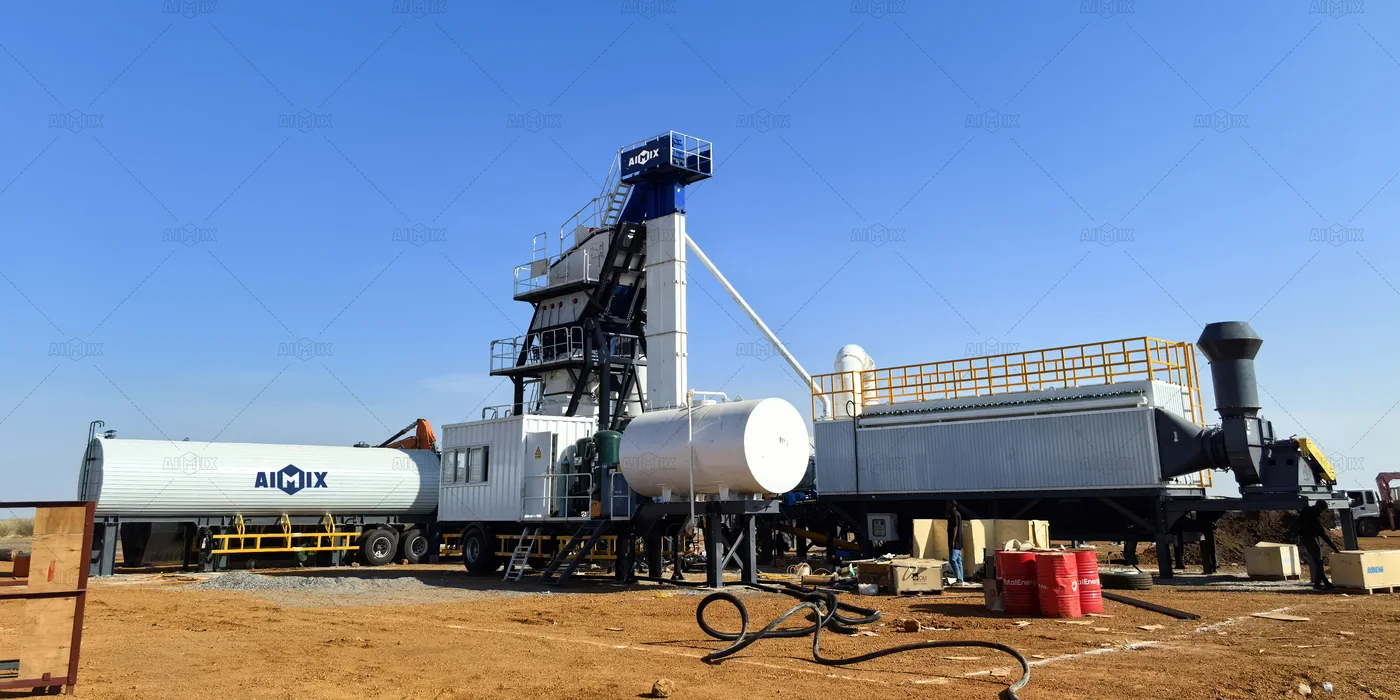
For contractors moving between regional road projects, a 120 TPH mobile asphalt batch plant can provide a useful combination of production capacity and location flexibility.
It can make particular sense when the contractor has several medium-to-large road projects, needs several hundred tons of asphalt per day, faces long haul distances, and wants one production system that can move with the project pipeline.
However, the decision should not depend on the 120 TPH figure alone. Daily asphalt demand, productive operating hours, project duration, relocation frequency, aggregate moisture, fuel consumption, mix requirements, transport conditions, and technical support all affect the practical result.
The best starting point is therefore your project data.
If you are planning to buy a 120 TPH mobile asphalt plant for regional road construction, prepare your project location, required asphalt quantity, expected daily output, project duration, aggregate source, asphalt mix requirements, and expected relocation distance. With these details, you can ask for a project-specific configuration and quotation that reflects your actual operating conditions rather than a generic equipment package.