Cape Town, a city of breathtaking topography and burgeoning urban sprawl, is currently experiencing a palpable surge in construction activity. From the sprawling townships of Khayelitsha to the upmarket residential enclaves of the Atlantic Seaboard, the demand for housing and commercial infrastructure is accelerating at a dizzying pace. Yet, building in the Mother City presents a unique set of challenges: steep, undulating terrain, spatially constrained inner-city plots, and a finite pool of skilled labour. The era of manual wheelbarrows and precarious scaffolding is drawing to a close. To meet ambitious construction timelines and maintain stringent quality standards, developers are turning to innovative mechanised solutions. Specifically, the integration of advanced concrete pump and mixer is proving to be the cornerstone of efficient, cost-effective, and high-quality building practices across the region.
1. Navigating Cape Town’s Topographical Challenges
The physical geography of Cape Town is both its greatest asset and its most formidable construction obstacle. The city is defined by its mountainous backdrop and undulating hills, rendering material logistics a significant operational hurdle.
Conquering Elevation and Terrain Constraints
The vertiginous slopes of areas like Signal Hill or the Constantia Valley present a logistical nightmare for traditional concreting methods. The manual conveyance of wet concrete up steep gradients is not merely inefficient; it is a perilous activity that exposes workers to significant safety risks and leads to a rapid escalation of fatigue, diminishing productivity in the afternoon heat. This is where the boom pump, a formidable piece of hydraulic engineering, becomes indispensable. With its articulated robotic arm, a boom pump in South Africa can accurately place concrete at heights exceeding fifty metres, effortlessly bypassing steep embankments and obstructing structures. This precision placement eliminates the need for intermediate handling, ensuring the mix is deposited exactly where it is required, preserving the integrity of the water-cement ratio and guaranteeing the structural strength of retaining walls and multi-storey foundations.
Compact Solutions for Urban Infill Sites
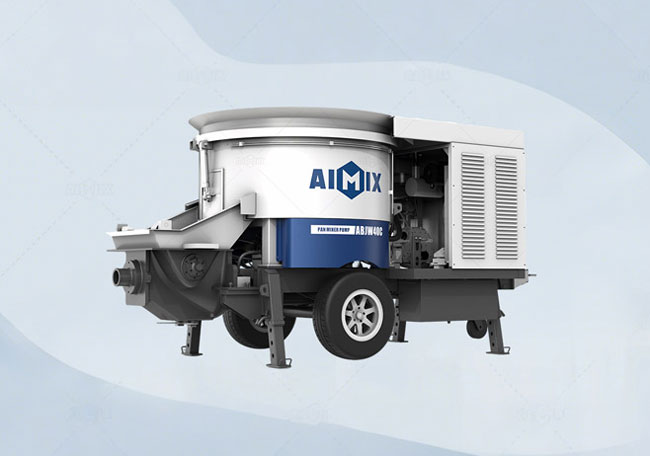
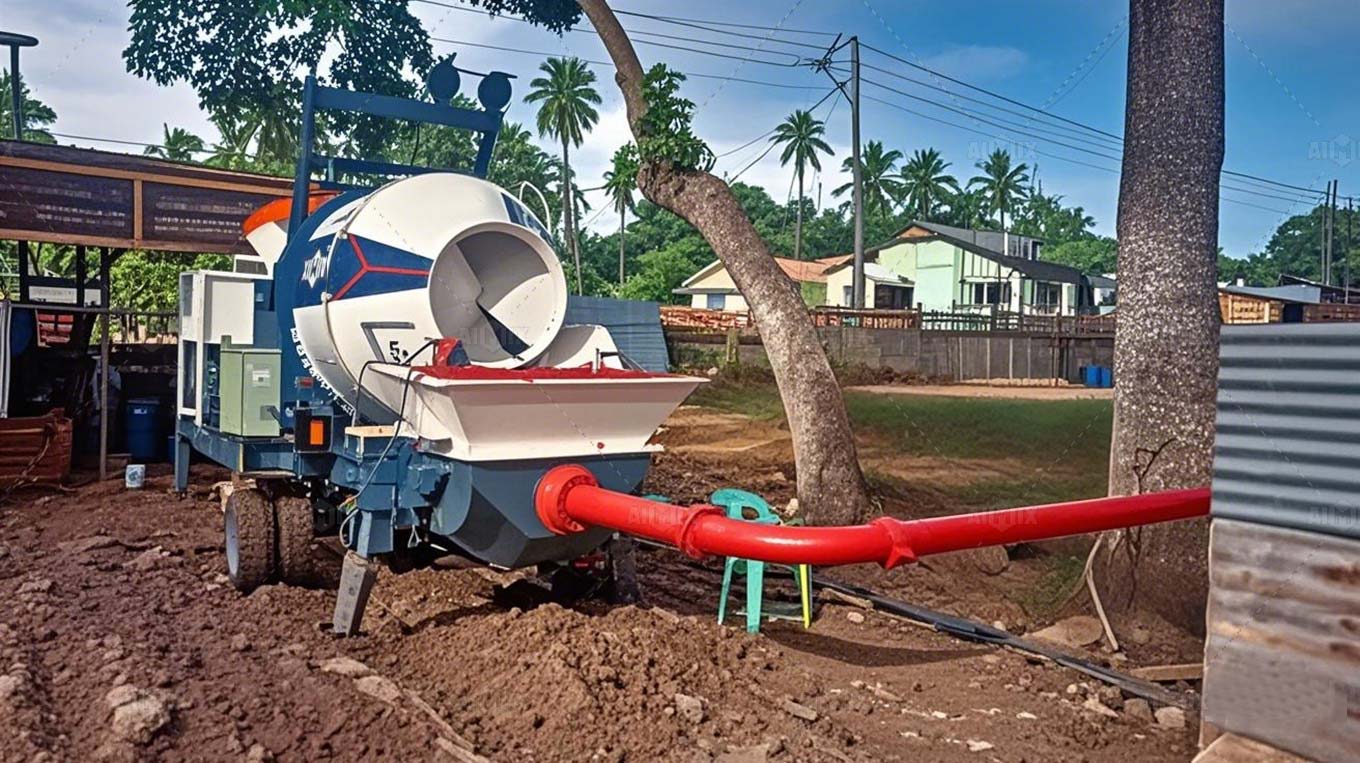
Conversely, the City Bowl and the historic districts of the Atlantic Seaboard are characterised by constricted, narrow access points. The large, truck-mounted concrete pumps simply cannot navigate the labyrinthine streets of Bo-Kaap or the tight alleyways of De Waterkant. In these dense urban environments, the mini concrete mixer pump emerges as the quintessential solution. Its diminutive footprint and exceptional manoeuvrability allow it to access sites that would be inaccessible to larger vehicles. By combining the mixing drum and the pumping mechanism into a single, mobile unit, it eradicates the space required for two separate pieces of equipment. This facilitates a “point-and-pour” workflow, allowing a small crew to efficiently handle the slab pours for infill housing projects, thus overcoming spatial constraints without sacrificing output quality.
2. Enhancing Efficiency Amidst Labour Scarcity
The South African construction industry, like its global counterparts, is grappling with a severe shortage of skilled artisans and general labourers. In this context, the deployment of capital equipment is a strategic response to human capital deficits.
Amplifying Crew Productivity and Output
The standard practice of using a “concreting gang” involving a dozen men to mix, carry, and pour concrete is rapidly becoming commercially non-viable. The wages demanded by scarce, skilled operatives are skyrocketing, and the availability of reliable general labour is inconsistent. The substitution of this labour-intensive model with a pump-and-mixer configuration offers a compelling economic advantage. A single operator and a machine can accomplish the work of ten men with a substantially higher degree of consistency. By mechanising the arduous material handling aspect of the job, the available labour force can be redeployed to skilled finishing work, ensuring that the construction schedule does not become a casualty of the labour shortage, thereby accelerating the delivery of much-needed housing stock.
Ensuring Consistent Quality and Mitigating Human Error
In the context of a housing development, consistency is not just an aesthetic aspiration; it is a critical safety and durability requirement. Variances in mixing time, water content, or segregation during manual transport can lead to catastrophic structural weaknesses in walls and floors. The combination of concrete pump with mixer for sale provides a rigorous standardisation of the process. The batching is controlled with precision, the hydration process is monitored, and the pumping action ensures a homogenous flow. This level of consistency guarantees that each concrete element meets the engineered specifications, reducing wastage and mitigating the risk of structural failure, which is paramount in building resilient and safe communities.
3. Economic and Logistical Best Practices
While the benefits of mechanisation are clear, achieving optimal return on investment requires careful logistical planning and strategic procurement. The following practices are essential for maximising cost-effectiveness in the Cape Town market.
Total Cost of Ownership and Rental Strategies
For many mid-sized developers, the outright purchase of a specialised concrete pump may not be the most prudent initial step. Given the varied demands of different projects, a hybrid procurement strategy is often most effective. Renting a high-reach boom pump for a major commercial foundation pour, while owning a versatile mini mixer pump for the subsequent slabs and lintels, allows for capital preservation and operational flexibility. However, when considering ownership, evaluating the Total Cost of Ownership is vital. This encompasses not only the purchase price but also the ongoing costs of maintenance, hydraulic oil changes, and the inevitable wear on components like the concrete cylinders and the S-valve. A machine from a reputable manufacturer with a robust local dealer network for parts and service will invariably offer a lower cost over its lifespan.
Site Preparation and Logistics Integration
The efficiency of any pumping operation is contingent upon meticulous site preparation. The pipeline path must be planned to minimise bends—as each 90-degree elbow significantly increases pumping resistance—and the deployment of the outriggers requires stable, level ground. For line pumps, ensuring a clear route for the delivery hose is essential to prevent damage and delays. Integrating the pumping schedule with the ready-mix truck deliveries is a strategic imperative. Synchronising the arrival of mixer trucks with the pump’s capacity prevents expensive “truck waiting” charges and ensures a continuous, uninterrupted pour, which is critical for avoiding the formation of cold joints in large floor slabs.
Maintenance Protocols in Dusty Environments
Cape Town’s summers are often accompanied by gusty South-Easters, creating a dusty environment that is the arch-nemesis of hydraulic systems and diesel engines. A rigorous maintenance regime, including regular cleaning of the machine, strict adherence to oil filtration schedules, and daily lubrication of the pump’s rocking valve, is non-negotiable. This proactive approach prevents the insidious wear caused by abrasive dust ingress, safeguarding the machine’s reliability and ensuring that it remains a productive asset for the duration of the project.