Procurement officers evaluating an industrial asphalt mixing plant for sale for major highway projects face a capital allocation decision that extends beyond equipment price into the automation infrastructure connecting the mixing chassis to an onsite modified asphalt production plant. Asphalt paver price at the premium specification end represents a fleet investment whose return depends on continuous polymer-modified bitumen supply — and that supply depends on whether the mixing plant’s binder circuit was engineered to receive modified bitumen from an integrated production unit without manual intervention, temperature drop, or viscosity inconsistency that standard bitumen handling systems were never designed to manage.
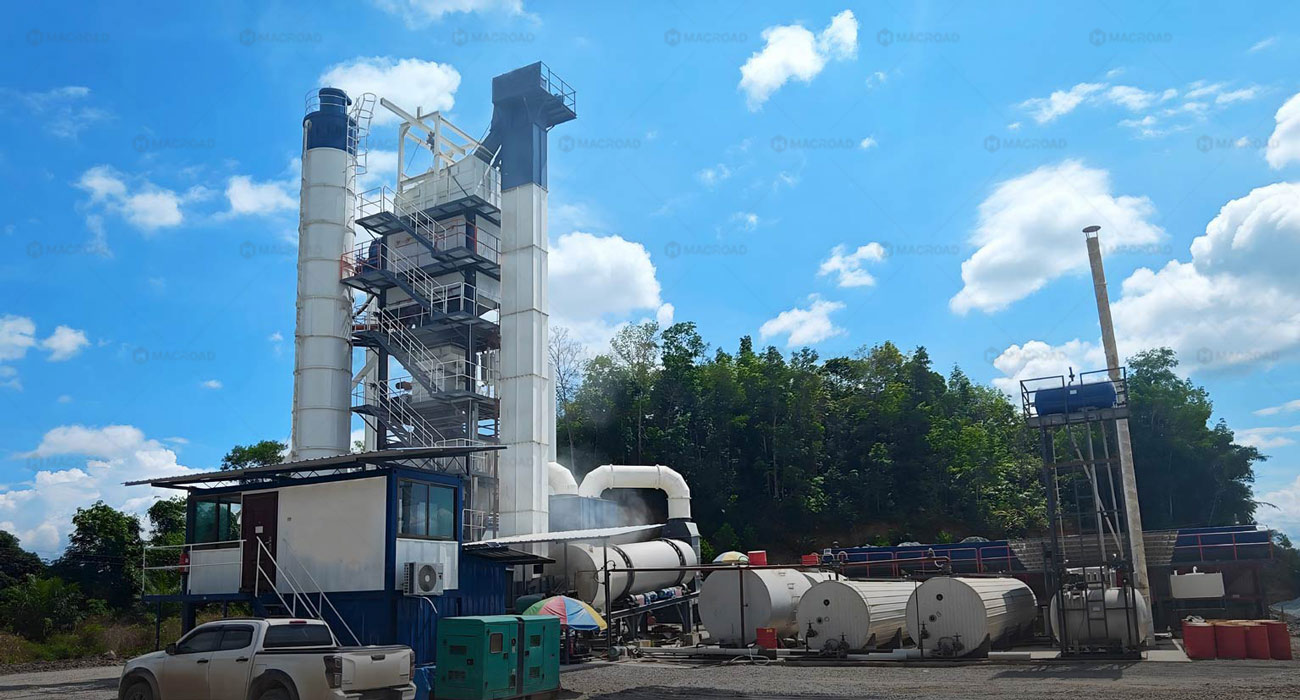
Balancing Asphalt Mixing Plant for Sale Capital Against Asphalt Paver Price
Capital expenditure balance between an asphalt mixing plant for sale and asphalt paver price is not a division of budget between two independent line items — it is a production system sizing calculation whose outputs must be matched before either figure is finalized. A high-capacity plant feeding an underpowered paver accumulates silo inventory while the paving train falls behind; a premium paver whose screed consumption rate exceeds plant output idles while the plant catches up. Neither imbalance delivers the highway project productivity that justifies the combined capital commitment.
The modified asphalt production plant integration requirement adds a third capital variable that procurement officers frequently treat as a post-commissioning upgrade rather than a primary procurement commitment. Polymer-modified bitumen produced onsite carries viscosity characteristics, temperature sensitivity, and handling requirements that standard bitumen circuit components — pumps, pipework, heating systems — cannot manage without modification. Establishing the integration scope at the asphalt mixing plant for sale procurement stage prevents the retrofit expenditure that post-delivery integration consistently generates at project mobilization.
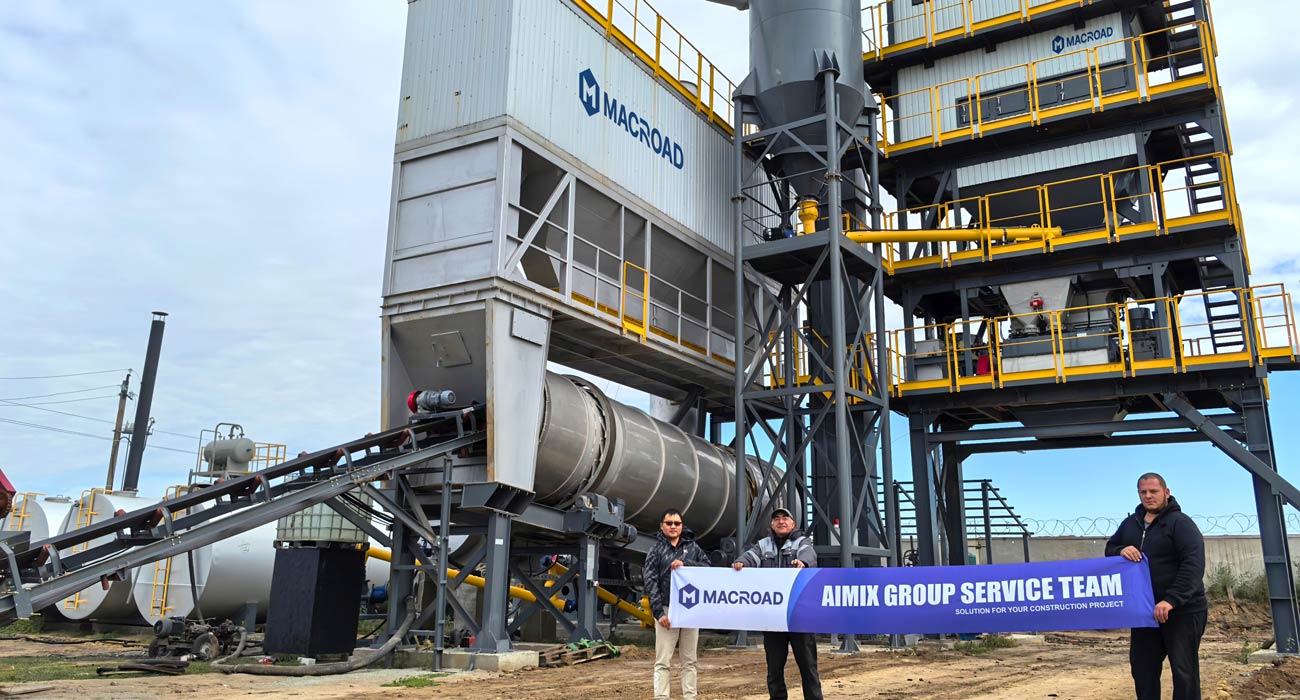
Automation Integration Requirements for Modified Asphalt Production Plant Linkage
Direct linkage between an asphalt mixing plant for sale and an onsite modified asphalt production plant requires closed-loop automation across three interface points: bitumen temperature monitoring from the modified plant outlet to the mixing plant injection circuit, viscosity-compensated pump speed control that adjusts injection rate against polymer-modified bitumen’s non-Newtonian flow behavior, and production rate synchronization that matches modified bitumen output from the blending unit against the mixing plant’s hourly bitumen demand without accumulating thermally degraded inventory in the transfer circuit.
Standard bitumen injection systems on entry-level asphalt mixing plant for sale configurations use fixed-viscosity pump calibrations developed against penetration-grade bitumen — calibrations that produce systematic injection errors when polymer-modified bitumen enters the circuit at elevated viscosity. Automation integration for modified asphalt production plant linkage requires viscosity-adaptive pump control whose parameters update against measured bitumen temperature rather than assuming a fixed viscosity-temperature relationship that polymer modification alters substantially from standard grade behavior.
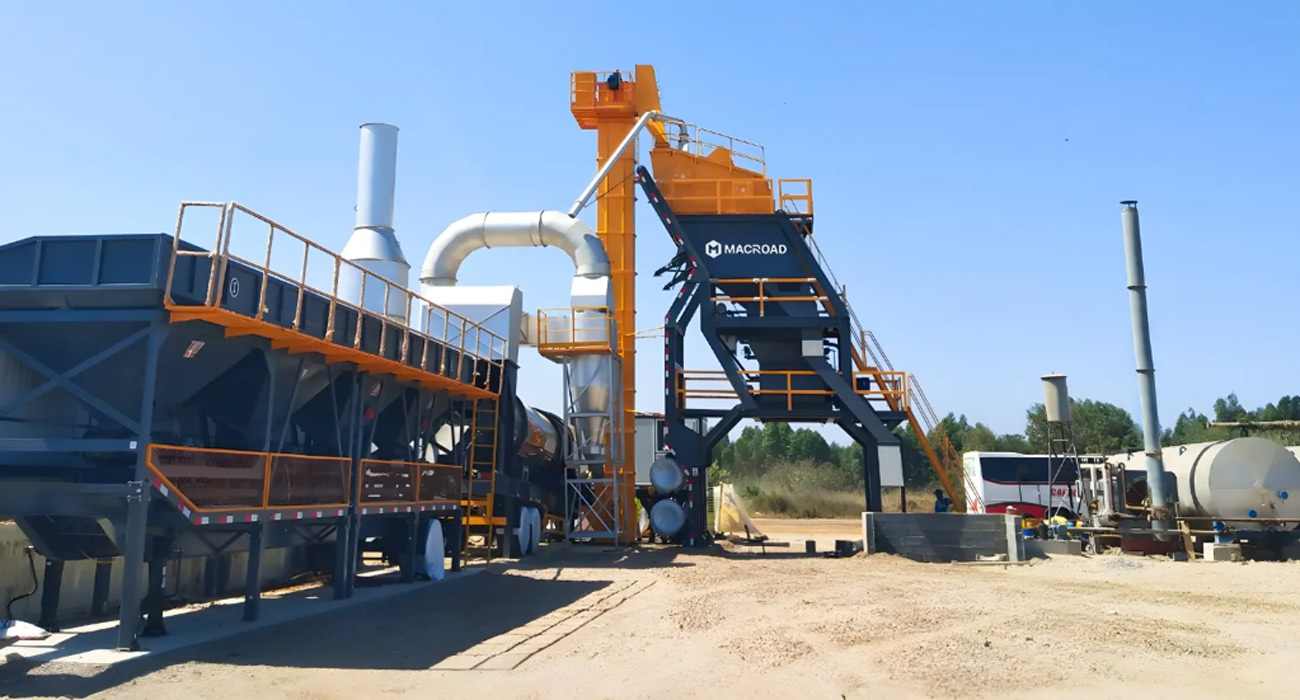
Recycled Asphalt Compatibility and Its Effect on Modified Bitumen Circuit Design
Highway projects specifying polymer-modified wearing courses frequently also incorporate recycled asphalt in base course production — and the mixing plant’s circuit architecture must manage both material streams without cross-contamination of the modified bitumen supply. Recycled asphalt aggregate carries aged binder whose thermal release during drum processing introduces oxidized bitumen compounds into the mixing chamber environment, and a modified asphalt production plant supplying fresh polymer-modified bitumen to the same mixing chassis must do so through a dedicated injection circuit that the aged binder release pathway cannot contaminate.
Circuit isolation between recycled asphalt binder release and modified bitumen injection is an engineering specification requirement, not an operational management question. Procurement officers evaluating an asphalt mixing plant for sale for combined polymer-modified and recycled asphalt production must confirm that the circuit architecture physically separates these two binder streams rather than relying on timing or temperature differentiation that production variability will periodically compromise.
Conclusion
An asphalt mixing plant for sale for major highway polymer-modified production must be evaluated against asphalt paver price as a matched production system, against modified asphalt production plant integration as a primary automation commitment, and against recycled asphalt circuit isolation as a binder quality protection requirement — because capital allocation that treats these variables independently produces a commissioning outcome that forces the integration expenditure procurement avoided at the purchase stage.